7 Signs of Water Retention in the Body
Waking up with a puffy face, finding your pants tight without reason, and feeling heaviness in your legs throughout the day might be 7 signs of water retention your body gives before discomfort becomes more obvious. It's not always serious, but when swelling becomes routine, it's worth paying closer attention.
Water retention occurs when there is fluid buildup between tissues. Practically, this results in edema, bloating feeling, and loss of the lightness many notice in their body and face. A diet high in sodium, hormonal changes, sedentary lifestyle, long periods of sitting or standing still, and even postoperative phases can contribute to this situation.
What are the 7 signs of water retention?
Not all swelling is the same. Some days it appears discreetly, and at other times it interferes with well-being, mobility, and even self-esteem. Recognizing the signs helps understand when the body needs care.
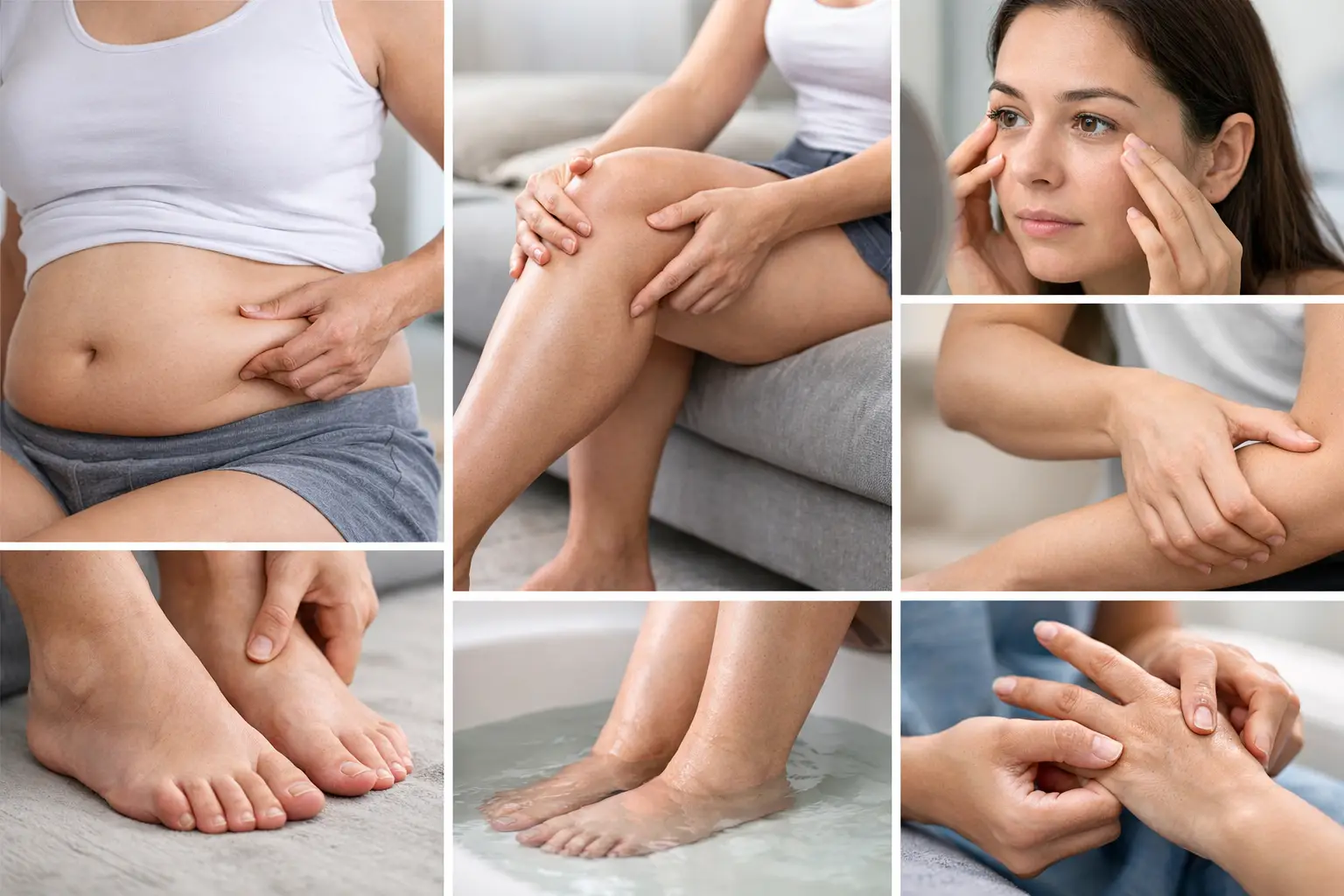
1. Visible swelling in legs, feet, and ankles
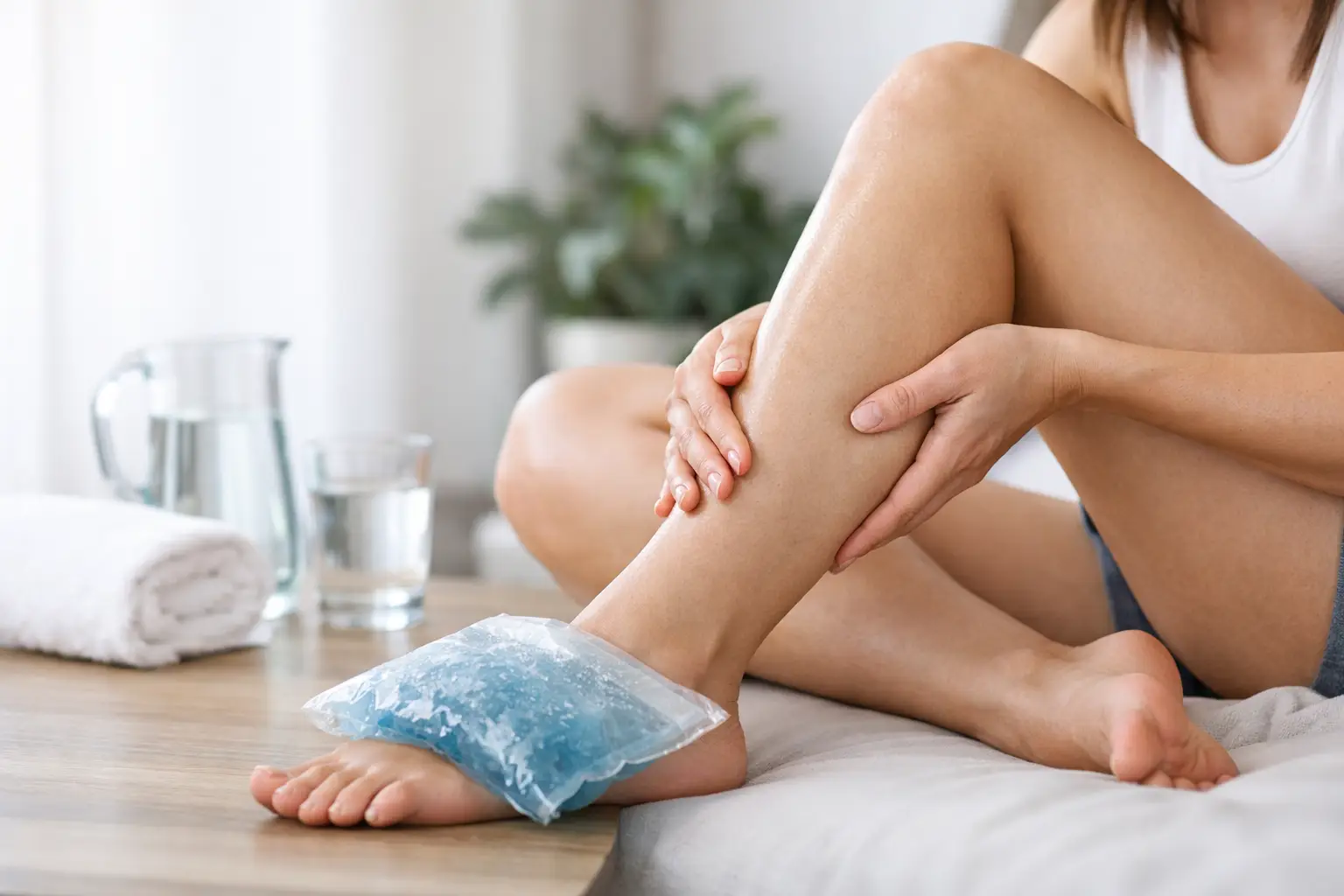
This is one of the most common signs. At the end of the day, shoes might feel tight, sandals might leave deeper marks on the skin, and ankles may seem less defined. This happens because gravity favors fluid buildup in the lower parts of the body, especially for those who spend many hours sitting or standing.
When this swelling improves after rest, elevating the legs, or a night's sleep, it's usually related to circulation and temporary fluid accumulation. Still, if frequent, it deserves attention.
2. Feeling of heaviness in the body
Sometimes water retention doesn't just show up in the mirror. Many people report feeling a heavy body, tired legs, and even less energy for simple activities. It's as if the body is slower, more burdened.
This symptom can be quite bothersome on hot days, during menstrual periods, and in phases of hormonal changes. For those who tend to swell, this perception often arises before the edema becomes very visible.
3. Marks on the skin from clothes and accessories
If socks leave deep grooves on the leg, the bra leaves more noticeable marks than usual, or rings start to feel tight, these can indicate fluid buildup. Many people ignore this detail, but it often is a true sign of a temporary change in body volume.
When marks appear without actual weight gain or a change in clothes sizes, it's even more likely that the body is retaining fluid.
4. Puffy face, especially in the morning
Water retention can also appear on the face. It's common to wake up with puffier eye regions, a less defined face, and a tired look even after sleeping. In some cases, swelling reduces throughout the day. In others, it persists and becomes quite annoying.
This sign draws attention because it directly affects facial contour. For many women, it's the first indication that something is off balance, especially after dietary indulgences, poor sleep, or stressful periods.
5. Bloated belly and abdominal discomfort
Not every bloated belly indicates water retention; gases, constipation, and food sensitivity can also cause bloating. However, often, fluid accumulation plays a significant role, especially when discomfort accompanies swelling in other parts of the body.
The difference lies in the combination of signs. If, besides a bloated belly, you notice puffy hands, heavy legs, and skin marks, water retention becomes a likely hypothesis.
6. Rapid weight fluctuation
Gaining a pound or two overnight does not always mean an increase in body fat. It is often linked to water retention. This usually occurs post excessive salt intake, alcohol consumption, hormonal fluctuations, or reduction in daily activity.
This point requires context. The scale alone does not diagnose, but when weight rises quickly and decreases shortly after, the body might just be responding with temporary swelling.
7. Skin tighter or sensitive to touch
In some areas, the skin may appear more stretched, shiny, or sensitive. This is because the accumulated fluid increases tissue pressure. In mild cases, one just feels discomfort. In more pronounced situations, there might be pain, movement limitation, and a feeling of tightness.
This sign is significant particularly in the post-operative period when edema is part of the process but needs to be monitored with care to promote good recovery.
What causes water retention?
Water retention doesn't have a single cause. Often, it is multifactorial. A diet high in sodium, low water consumption, sedentary lifestyle, hormonal changes, intense heat, certain medications, and circulatory issues are common factors.
There's also an important difference between an occasional swelling and edema that frequently recurs. An isolated episode after a long trip or a weekend of indulgence may be temporary. Persistent swelling, however, requires more attention to understand what is maintaining this retention.
In the post-operative context, for instance, some swelling is expected. The focus is not to immediately eliminate all the swelling, but to manage the process safely, respecting the recovery phase and professional guidance.
When does water retention require medical evaluation?
Not all swelling is just aesthetic. This caution is essential. If water retention comes with shortness of breath, significant pain, swelling in just one leg, redness, sudden volume increase, or progressive worsening, seeking medical attention is necessary.
It's also worth investigating when the situation becomes recurrent without an obvious cause. Kidney, heart, hormonal, or circulatory issues can manifest with edema. Therefore, observing body signs does not mean solving everything alone, but knowing when to reach out to the right professional.
How to relieve the 7 signs of water retention
Relieving swelling depends on the cause, but some measures often help significantly daily. Drinking water regularly, reducing excessive sodium, avoiding long periods in one position, and keeping the body moving make a real difference. For some, elevating legs at the end of the day also brings comfort.
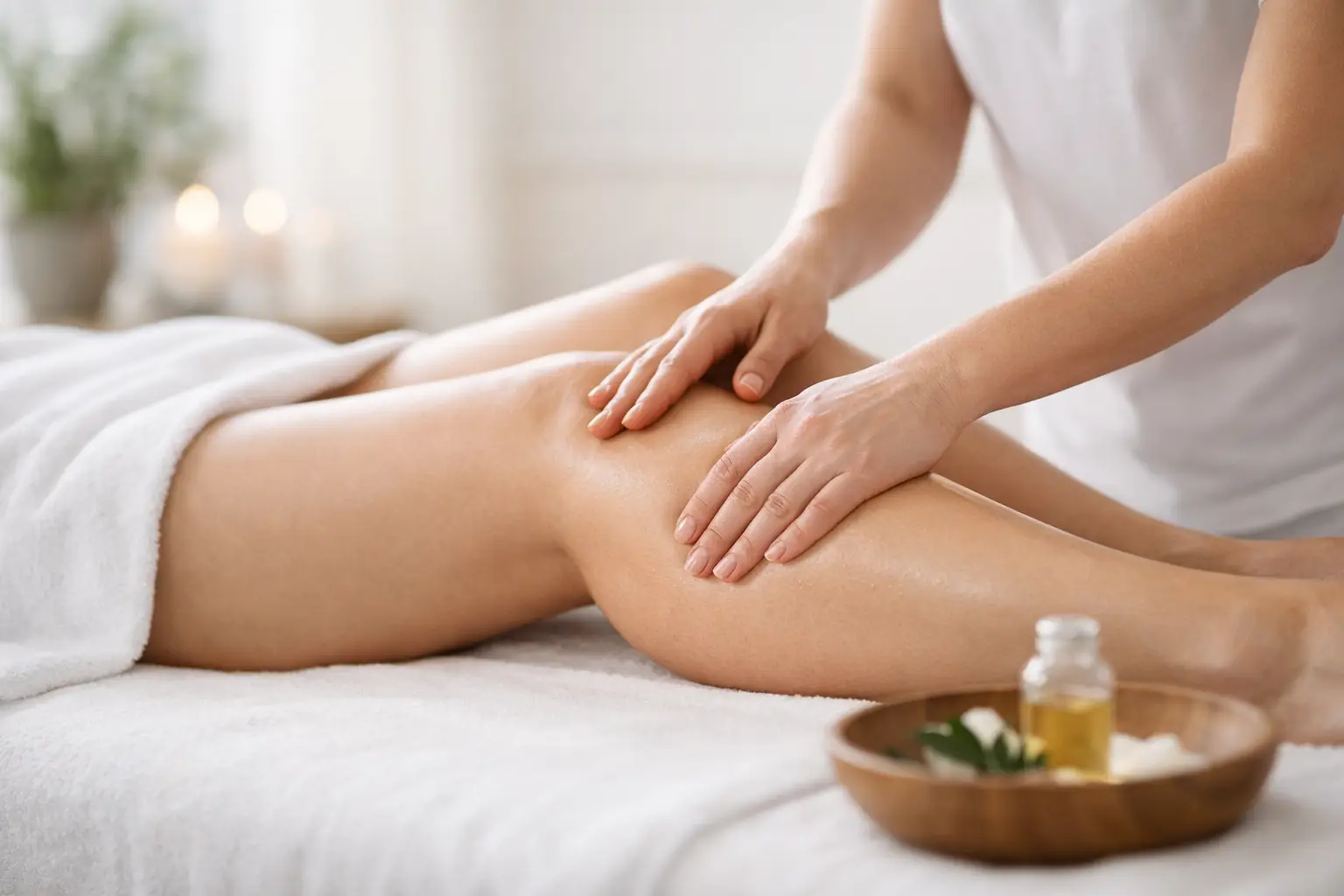
When the issue is linked to body edema and slow lymphatic circulation, lymphatic drainage can be a valuable ally. Performed with technique, it helps stimulate the lymphatic system, promoting reduced swelling, a feeling of lightness, and a visible improvement in body and facial contour. Results vary from person to person, as they depend on the cause, frequency of edema, and the body's response, but benefits are often noticeable in the first sessions.
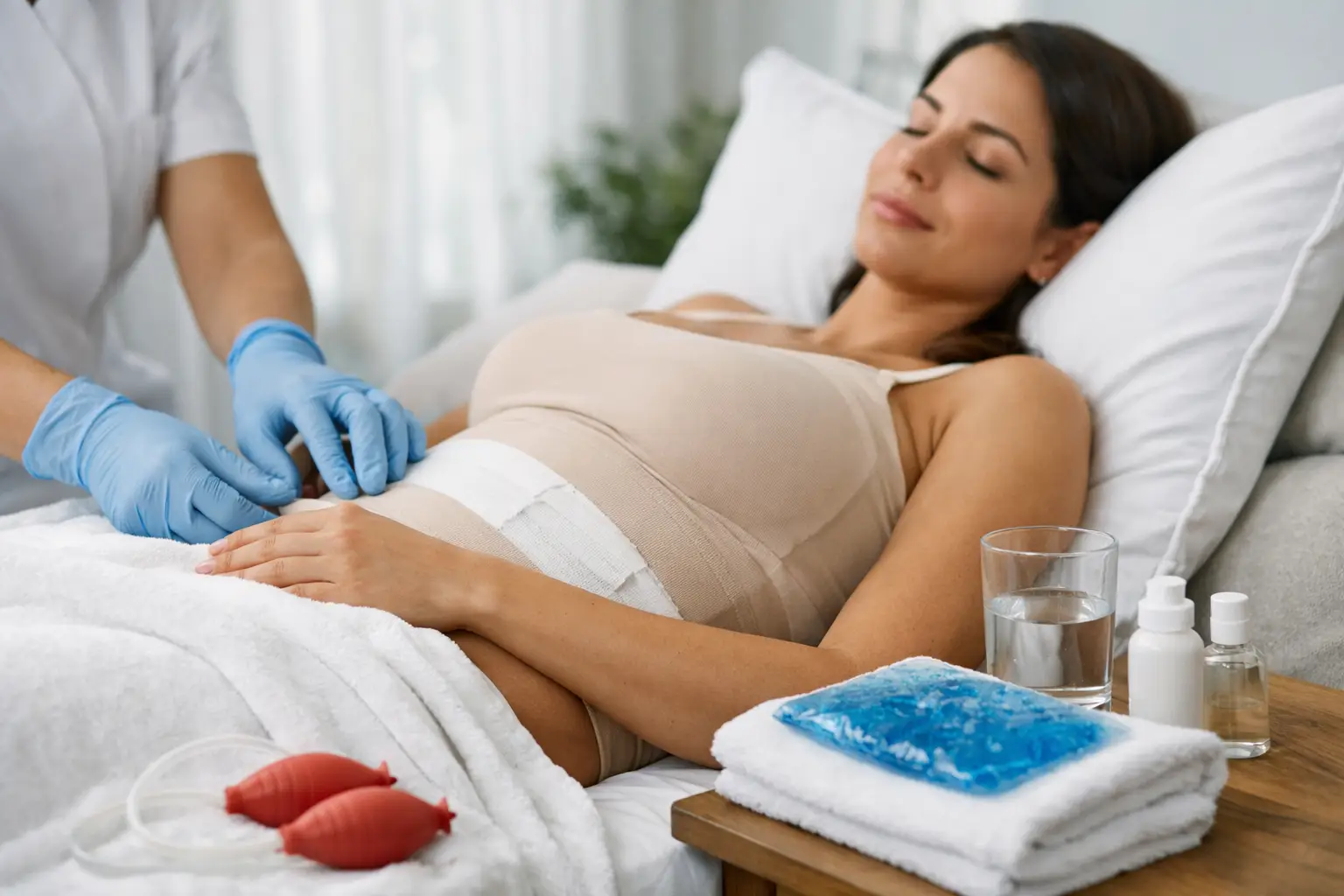
In postoperative periods, care needs more scrutiny. It's not enough to perform any massage. Specialized service is essential, respecting tissue recovery and medical guidelines. When properly indicated, post-operative drainage aids in controlling edema and comfort and supports the healing process.
For those frequently experiencing puffy faces, facial protocols focusing on drainage often yield good responses. Improving the tired appearance and facial contour is one of the most appreciated effects, especially for those seeking a natural and immediate outcome in their daily routine.
Water retention and routine: what to observe
There's one point to note: the body responds to habits. If swelling consistently worsens during certain menstrual phases, following very salty meals, on hot days, or after hours of immobility, this pattern offers important clues.
Noticing these triggers aids in intelligently adjusting routine. It isn’t about seeking perfection but understanding what makes your body heavy, swollen, or less defined. In well-conducted care, this individual insight makes a difference as the treatment shifts from generic to addressing what you truly feel.
In specialized work like Patricia Silva's, this personalized assessment is part of the process, as aesthetics and well-being go hand in hand when treatment respects each client's timings and needs.
If you identify with some of these signs, it's worth looking at your body with gentleness and attention. Swelling needn't be normalized when it affects your comfort, routine, and how you feel every day.