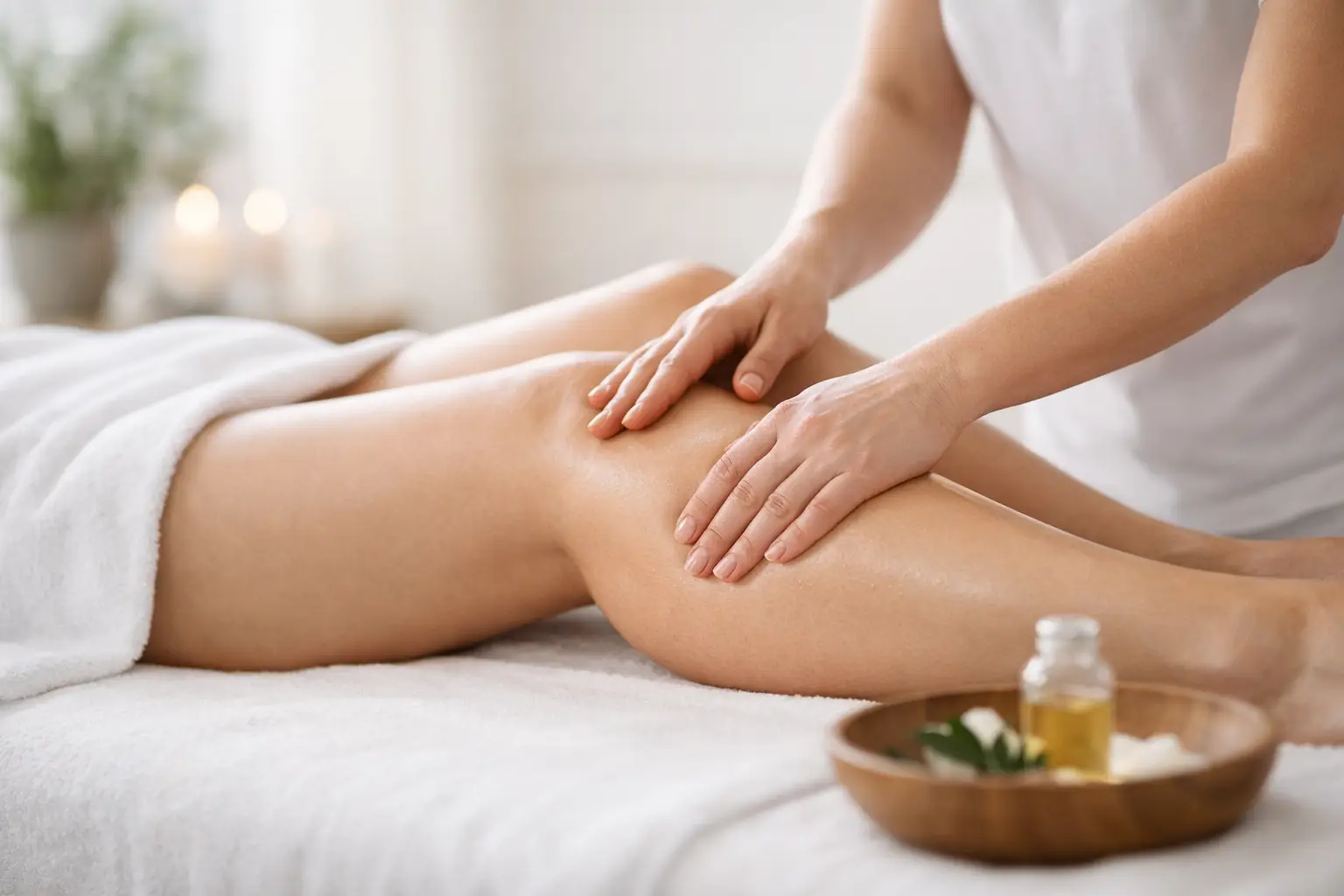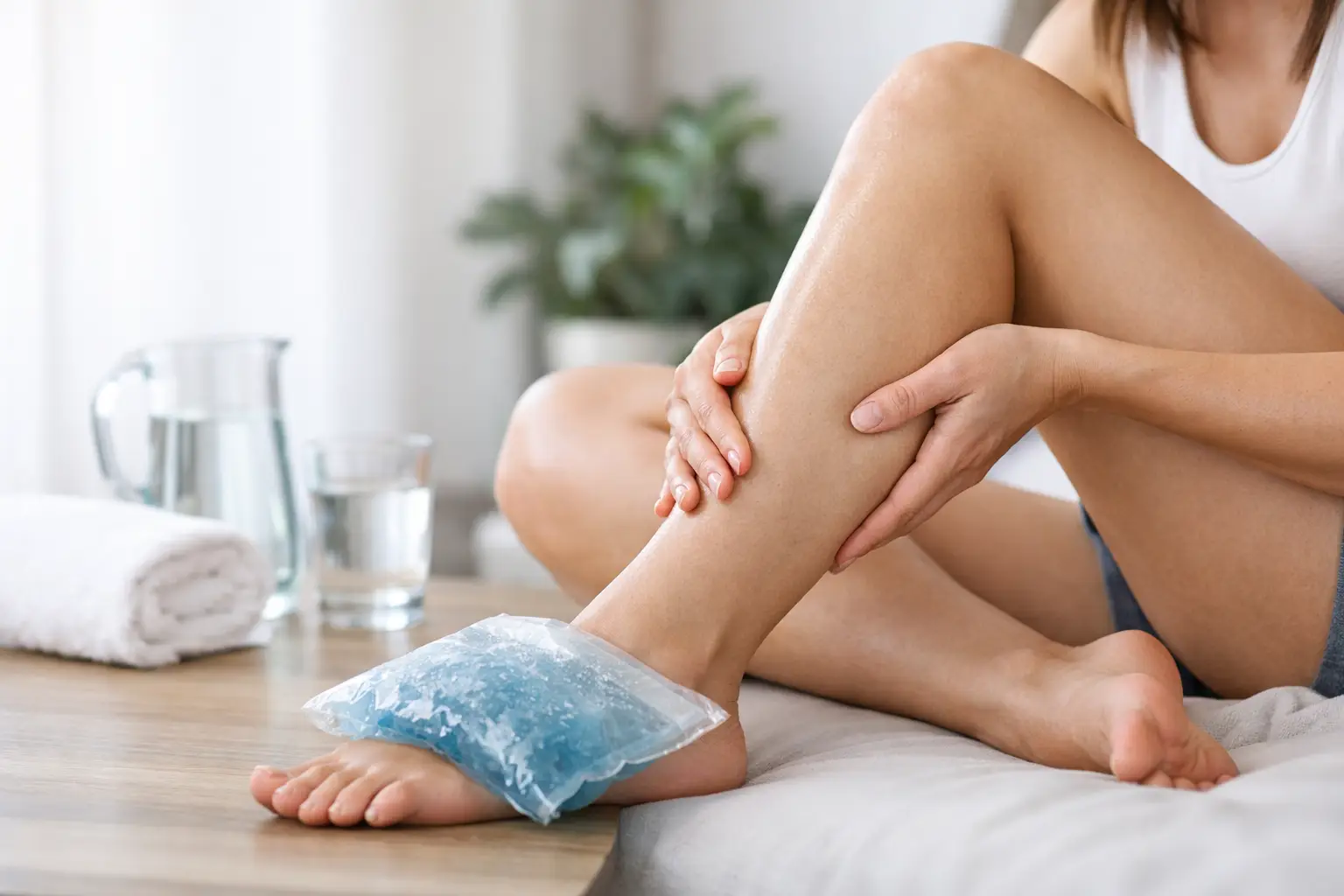
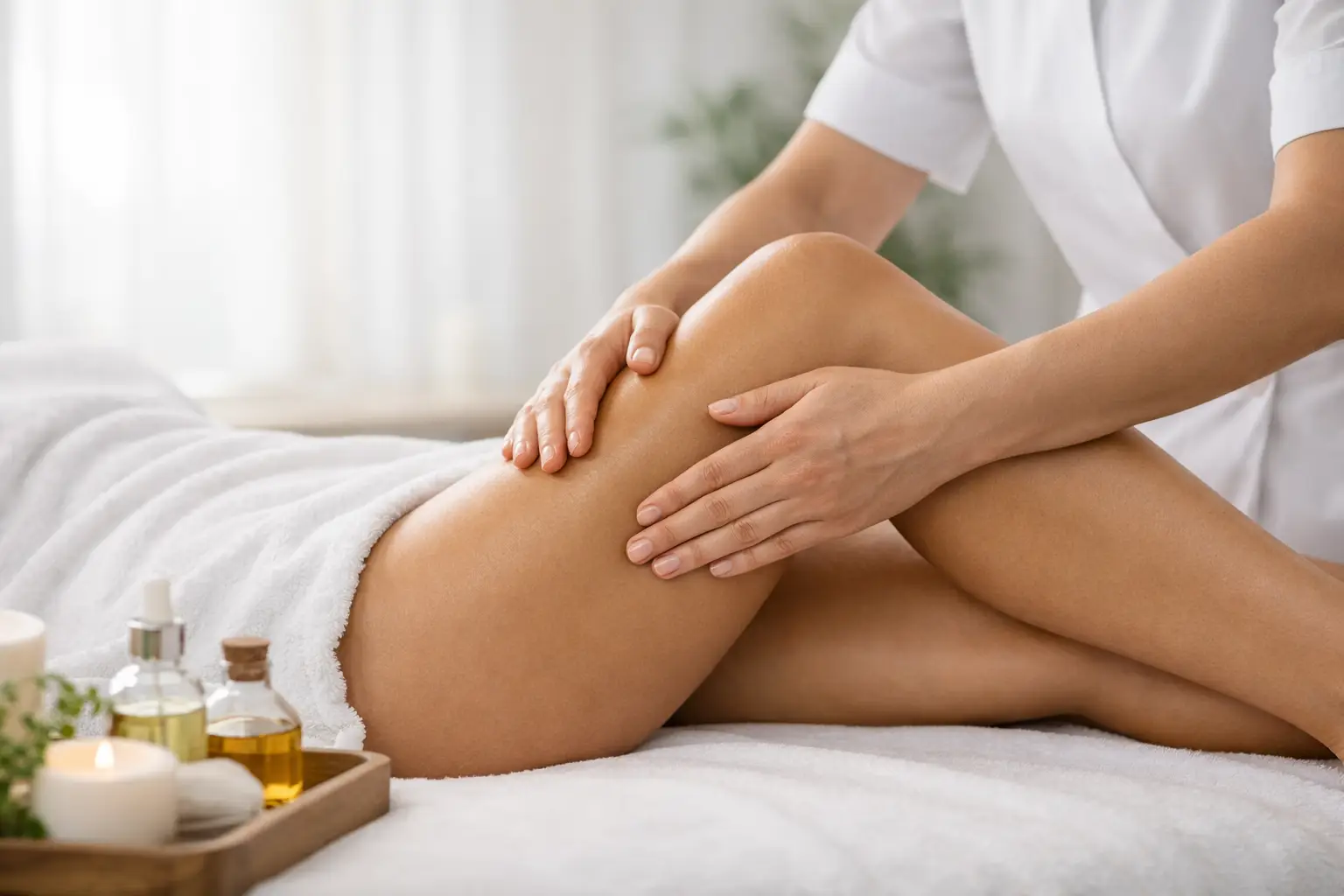
Heavy legs at the end of the day, sock marks, a feeling of swelling, and discomfort in tight clothing. Those experiencing this often look for solutions that provide real relief and visible results. In this context, lymphatic drainage for the legs stands out for targeting areas where many women feel more fluid retention, tiredness, and body contour changes.
When performed well, the goal is not just to relax. It aids in fluid drainage, reduces edema, improves the feeling of lightness, and can contribute to a more even appearance of the legs. At the same time, it's important to understand that not all swelling has the same cause, and a professional assessment can make a big difference in outcomes.
How Leg Lymphatic Drainage Works
Lymphatic drainage is a manual technique aimed at stimulating the lymphatic system. For the legs, it helps the body mobilize excess fluid accumulated in the tissues, promoting its elimination naturally. Practically, this is often perceived as reduced swelling, improved comfort, and a lighter feel in the legs.
This benefit is particularly appreciated by those who spend a lot of time sitting, standing, or experiencing hormonal fluctuations that increase retention. It's also common during hot weather, premenstrual periods, and sedentary routines.
Beyond functional relief, there's an aesthetic benefit. With less fluid retention, the leg contour tends to look more defined, skin can appear less tense, and clothes fit more comfortably. It's not a miracle or permanent effect by itself, but a noticeable response when properly indicated.
When It's Typically Recommended
Lymphatic drainage for the legs can be recommended in various situations, from aesthetic demands to specific recovery phases. One common case is swelling caused by fluid retention. When a client reports feelings of heaviness, increased volume throughout the day, and localized discomfort, the technique can be a great ally.
It's also sought by those who want to improve their body appearance without additional invasive procedures. Often, the issue is not necessarily localized fat but fluid accumulation masking the legs' natural contour.
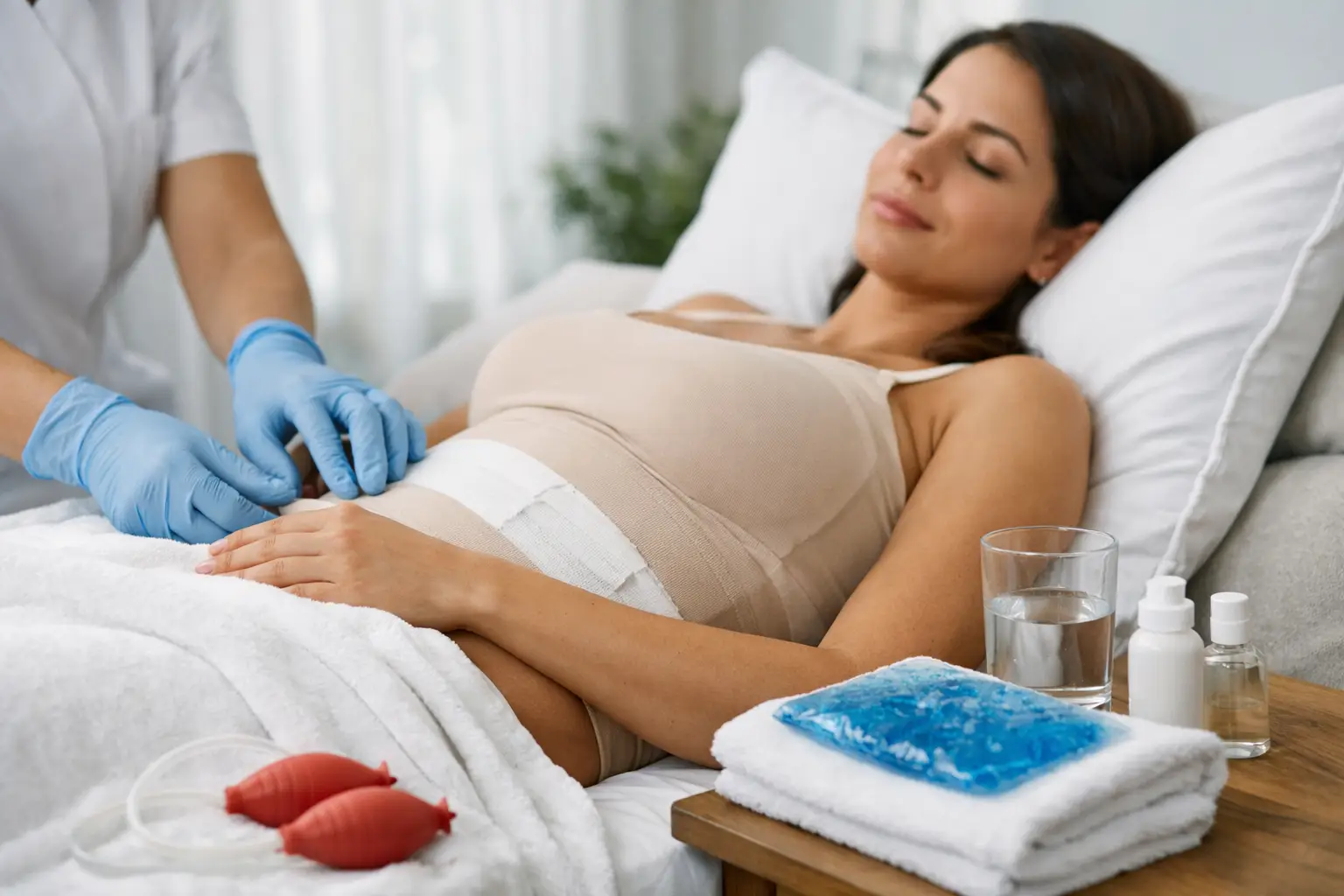
Postoperatively, the recommendation requires even more care. Depending on the surgery and recovery phase, drainage can aid in reducing edema and supporting tissue processes. But this always needs to respect the right timing, proper clearance, and safe technical execution. Post-surgery is no time for improvisation.
Pregnant women, people with mild circulatory complaints, and clients with a demanding routine can also benefit, provided there's an individual evaluation. The key point is this: the same complaint of swelling can have very different causes, and the treatment must reflect this reality.
Benefits Most Perceived by Clients
Well-indicated sessions often first bring a feeling of lightness. It's that sensation of less heavy, less pressured legs and more comfort when walking. Next, many clients notice volume reduction, particularly around the ankles, calves, and knees.
Another frequent benefit is improved contour. When excess fluid decreases, the leg can appear more defined and less swollen. For those seeking aesthetic improvement naturally, this makes a significant difference.
There's also a well-being benefit. The body responds better when there's less fluid congestion in tissues, and this can bring daily comfort. In some cases, clients even feel an improvement in their mood, precisely because the discomfort of swelling no longer dominates their routine.
It's worth mentioning that results vary. Some people experience significant unswelling in the first session, while others need continuity to perceive more consistent differences. This depends on the edema's cause, treatment frequency, and even habits that maintain or worsen retention.
Method, Technique, and Outcome Are Not the Same
This is a crucial point. Many people seek drainage expecting very gentle and slow movements, while others associate results with the intensity of pressure. Neither extreme alone guarantees efficiency. What makes the difference is the right technique, applied with anatomical knowledge, client needs' understanding, and a well-defined goal.
Market-recognized methods, such as the Renata França Method, gained prominence for offering specific maneuvers and noticeable results in unswelling and contour. But even within a valued method, professional experience remains crucial. Technique isn't just about repeating movements. It's about knowing when to indicate, how to adapt, and what to observe in each case.
Therefore, choosing a specialized professional provides security. Especially when there's a surgery history, increased sensitivity, recurrent retention, or doubts about swelling origin.
Does Leg Lymphatic Drainage Make You Lose Weight?
This is a very common question, and the answer must be honest: drainage doesn't cause weight loss. What it does is reduce fluid retention and improve edema appearance, which can give the impression of slimmer legs and a cleaner contour.
Practically, a client might wear pants more comfortably, notice less volume in certain areas, and even see a silhouette difference. But this does not equate to body fat loss. When significant fluid accumulation exists, the unswelling is so visible that many people confuse it with weight loss.
This distinction is healthy because it aligns expectations with reality. Drainage excels in what it aims to do. When used with this understanding, satisfaction tends to be much higher.
How Many Sessions Are Typically Needed
There's no single number for everyone. In cases of mild and occasional retention, one session can already bring relief and visual improvement. When swelling is recurrent, linked to routine or hormonal periods, regularity often delivers more consistent results.
Postoperatively, the plan tends to be different and follows the recovery phase, procedure type, and body's response. In such cases, frequency and technique need careful definition.
Generally, those seeking aesthetic maintenance and well-being respond better when including drainage in a care routine, rather than reserving it solely for moments of extreme discomfort. The body tends to benefit more from constancy than sporadic sessions without follow-up.
What Can Enhance Results
Drainage works better when not fighting against habits that constantly favor retention. Water intake, body movement, reducing long periods in the same position, and attention to excessive sodium consumption greatly help the outcome.
This doesn't mean turning the treatment into a rigid rule list. It means understanding that the body responds integratively. If a client sits for hours, sleeps poorly, and hydrates little, the edema tends to return more easily. With more balanced care, session effects are often better observed and longer-lasting.
It's also important to respect the interval between sessions as advised by professionals. Doing more, in less time, isn't always the best strategy.
When to Be Cautious
Not all swelling should be directly treated with drainage. If there's intense pain, redness, local heat, sudden asymmetry in one leg, or suspected vascular alteration, the correct path is a medical evaluation. Safety comes before any aesthetic goal.
Some health conditions also require careful analysis or contraindicate the procedure at certain times. Therefore, a full anamnesis isn't bureaucracy. It's part of responsible care.
In a professional service, a client should receive more than just a technique. They should receive criterion. This perspective makes all the difference for both safety and result quality.
How to Choose a Trustworthy Service
If you're looking for leg lymphatic drainage, observe more than just price or schedule availability. Education, specialization, practical experience, and the ability to personalize service matter a lot. Ideally, find a professional who understands both the aesthetic part and the functional needs involved in swelling.
In areas like Vicente Pires and Brasília, where the demand for body treatments is high, this choice impacts the perceived result and the client's peace of mind. A serious service explains indications, respects body limits, and doesn't promise what the technique can't deliver.
In practice, the best treatment combines technical knowledge, individual assessment, and humane care. This transforms a session into an experience truly beneficial for your body.
If your legs swell frequently, become heavier throughout the day, or lose definition due to retention, perhaps what's missing isn't more effort on your part, but the right care, at the right time, with real technique.