Those searching for a complete guide to the Renata França Method usually have heard about visible results like reduced swelling, a more defined body contour, and a light feeling right after the session. But practically understanding what's behind the method makes a difference when choosing a serious service, with correct technique and proper indication for your goal.
The Renata França Method gained prominence by standardizing maneuvers, rhythm, and pressure in a very specific way. This helped create a unique identity for protocols that combine aesthetics and well-being, focusing on noticeable results. Still, not everything works the same for everyone. There are cases where the priority is reducing retention, in others, the need is to support post-operative recovery, and there are also situations where the main goal is on the face, not the body.
What is the Renata França Method
This method is a technical approach to aesthetic massage recognized for firmer maneuvers, faster pace, and well-defined sequences. Contrary to the idea that all lymphatic drainages are gentle and slow, this method proposes more intense stimulation, respecting the body's physiology and each protocol's purpose.
Practically, this means targeted work to promote circulation, aid in edema reduction, and improve the appearance of the body and face. Many people notice a difference from the first session, especially when the condition involves fluid retention, a feeling of swelling, and body fatigue.
The most important point is this: the method is not just a well-known name. When well-executed, it relies on technical knowledge, individual assessment, and adaptation to the client's needs. The same technique can have different purposes depending on the body's moment.
Complete Guide to the Renata França Method: What It's For
The method's fame comes from visible aesthetic effects, but its usefulness goes beyond immediate visuals. In many cases, it contributes to a feeling of lightness, body comfort, and a more assisted recovery, especially when talking about edema and circulation.
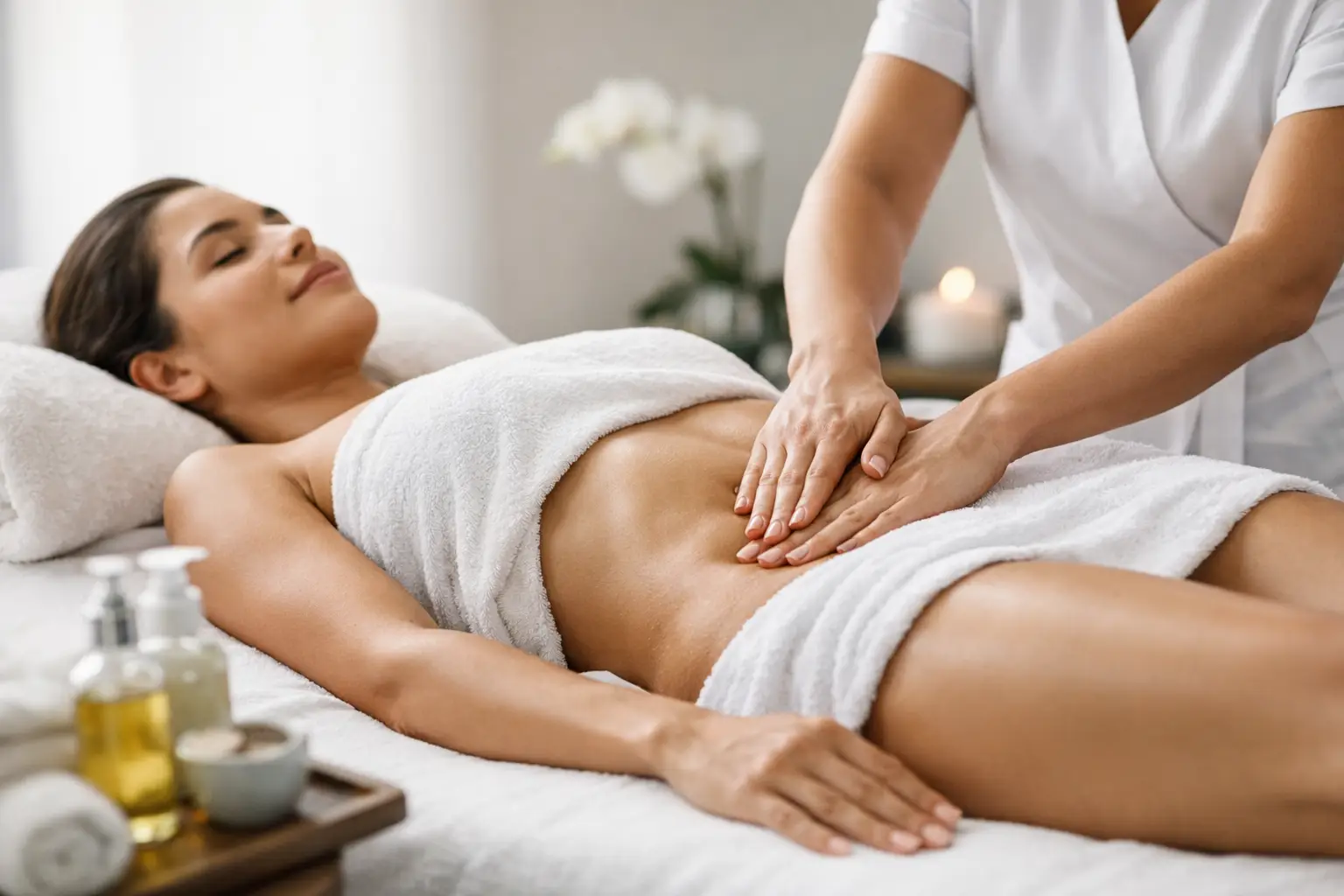
Among the main reasons people seek this type of service are abdominal de-swelling, improving leg contour, less heaviness feeling, and face refinement. Post-operatively, the interest is usually in controlling edema, supporting the recovery process, and improving tissue quality throughout the follow-up.
It is important to have realistic expectations. The method can bring very noticeable results, but these vary depending on frequency, lifestyle, hormonal phase, diet, retention level, and presence of specific clinical indications. Good technique makes a difference, but the body also responds according to the context.
What Are the Most Known Protocols
When people talk about the method, they often put everything in the same package. However, there are different protocols with their own indications.
Lymphatic Drainage
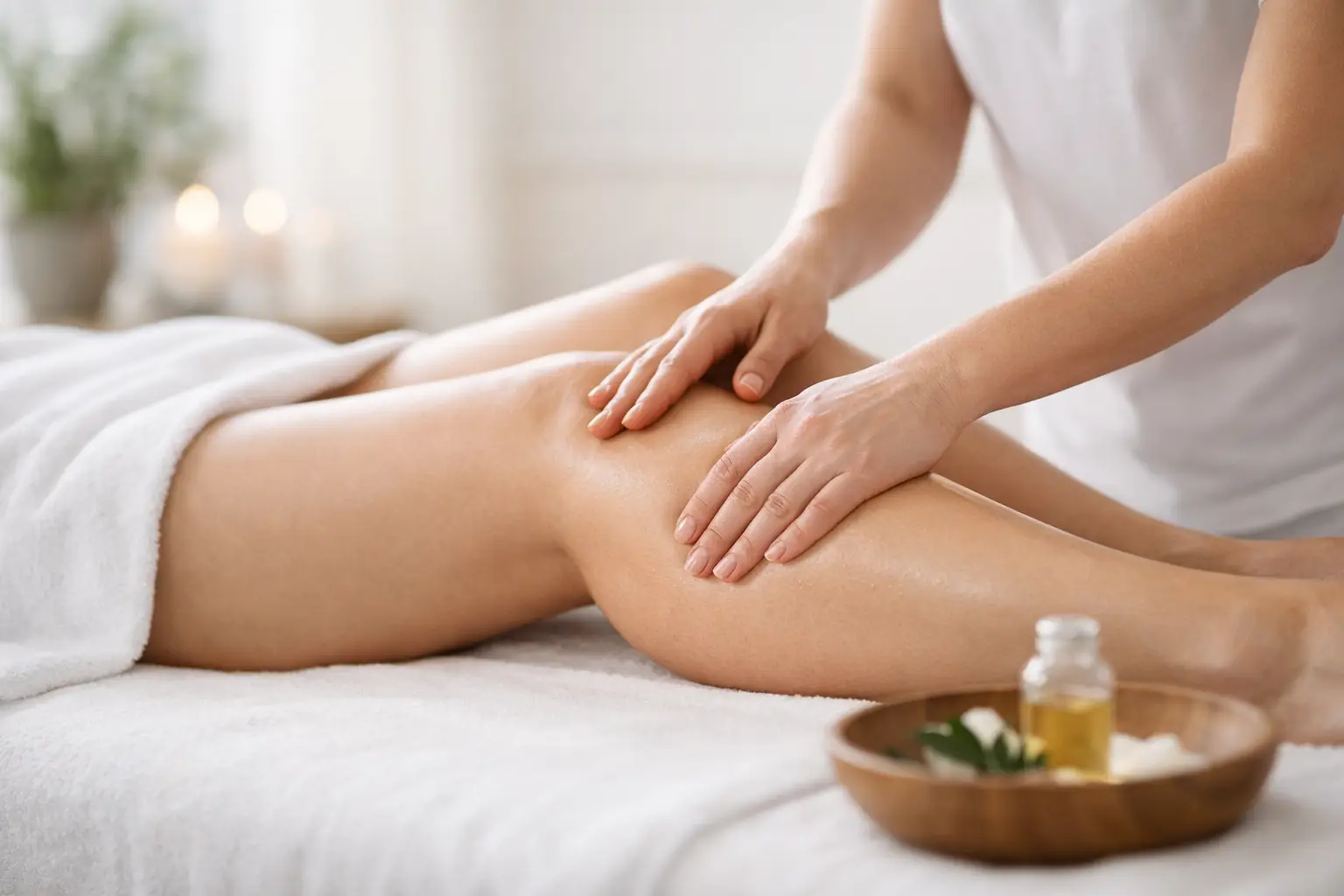
It's one of the most sought-after services. Its focus is on helping the body better deal with retained fluids, favoring the reduction of swelling and a feeling of lightness. It's commonly chosen by those feeling heavy legs, bloated abdomen, or experiencing frequent retention variations.
It's also highly sought after by those wanting to maintain a self-care routine with both aesthetic and functional effects simultaneously. In people with a higher tendency to edema, regularity often makes more difference than sporadic sessions.
Post-operative Lymphatic Drainage
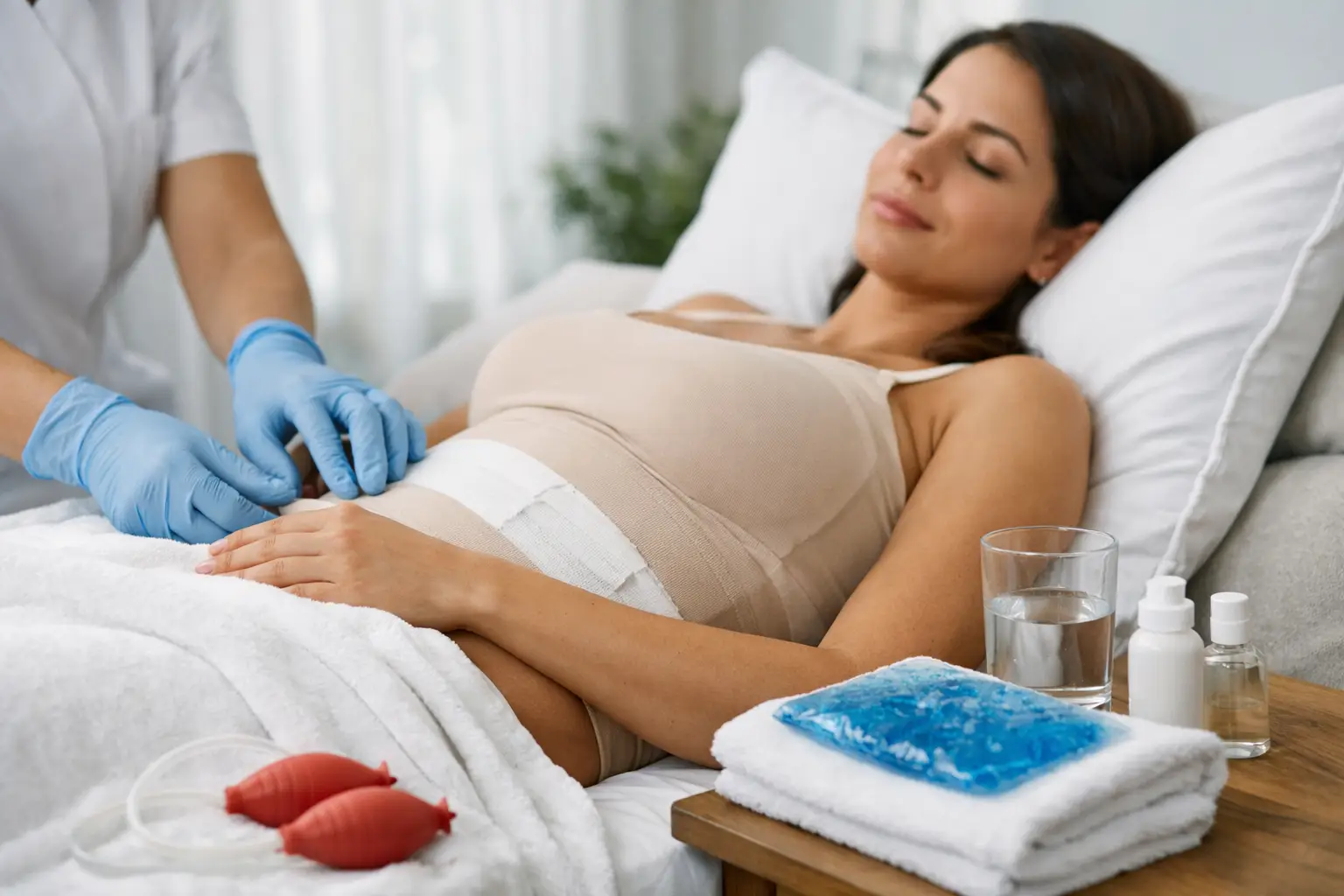
Here, the context changes entirely. It's not a common aesthetic drainage, but an accompanying service that requires careful evaluation, recovery phase respect, and technical reading of the tissue. The aim is to help reduce edema, improve comfort, and contribute to a more organized recovery process.
Not every massage service fits this moment. Inadequate pressure, wrong timing, and lack of post-operative experience can hinder rather than help. Therefore, this is one of the scenarios where specialization weighs even more in choosing a professional.
Miracle Face
On the face, the method gained prominence for its ability to improve the swelling aspect and promote a more evident contour effect. It's common for clients to notice a more rested face, with more defined features and a less heavy appearance.
The result is usually very pleasing in phases of retention, intense routine, sleepless nights, and before events. Still, it is not just a quick aesthetic proposal. When done with technique, the service also favors facial comfort and well-being.
What Differentiates This Method from a Common Massage
The main difference lies in the technical standardization. It's not just a relaxing massage with a famous name. The method works with correct maneuver direction, specific rhythm, adjusted pressure to the protocol, and reading what the body needs at that moment.
Another difference is the type of result expected. In a common massage, the priority is usually muscle relaxation and general comfort. In the Renata França Method, although well-being is also present, there is a very clear focus on de-swelling, contour visual shaping, and improvement of tissue response, depending on the protocol.
It is also worth mentioning that intensity doesn't mean aggressiveness. A good execution respects limits, treatment phase, and individual sensitivity. When the client feels excessive pain or leaves the session with unexpected discomfort, it's a sign that something needs reassessment.
Who Can Benefit from the Method
This type of service typically makes sense for women experiencing fluid retention, leg heaviness, abdominal swelling, and body discomfort throughout the routine. It's also highly recommended for those seeking contour improvement without resorting to additional procedures at that moment.
On the face, the method serves well those bothered by swollen appearance, tired features, and lack of facial definition. In post-operative situations, the benefit is linked to technical support in a delicate phase, where correct follow-up helps the body respond better to the recovery process.
But there is a point of caution: indication is not synonymous with improvisation. Pregnant women, people with specific clinical conditions, inflammatory processes, or temporary contraindications need appropriate evaluation before starting any protocol.
When the Results Appear
One of the reasons for the method's popularity is the quick perception of results. In many cases, clients notice a difference from the first session, especially in reducing swelling and feeling lighter. On the face, this may appear as a more rested expression. On the body, as clothes fitting better or a less bloated abdomen.
However, immediate and long-lasting results are not exactly the same. If a person experiences frequent retention, poor sleep, very inflammatory diet, or spends long periods sitting, maintenance becomes an important part of the process. The effect may appear quickly, but constancy helps sustain the gains.
In post-operative scenarios, the response time depends on the surgery, recovery phase, edema degree, and individual evolution. In this situation, comparing one's process with another's almost never helps.
How to Choose a Safe Service
If you've read this far in search of a complete guide to the Renata França Method, this might be the most important part. The method's name draws attention, but what truly protects your experience is the combination of training, evaluation, and service personalization.
It's worth observing if the professional explains the session's proposal clearly, understands your goal, investigates health history, and differentiates a common aesthetic service from a post-operative case. When there is listening, technique, and criteria, the client feels secure from the first contact.
It also makes a difference to choose someone who knows your case's reality. A person seeking de-swelling for an aesthetic routine has different needs than someone who has just undergone surgery. Treating these scenarios as if they were the same is a common mistake.
In Brasília, especially for those seeking service in Vicente Pires focused on technique and close follow-up, careful choice tends to be decisive for achieving results and peace of mind.
Precautions Before and After the Session
Some simple guidelines help make the most of the service. Arriving well-hydrated, respecting specific professional instructions, and reporting any recent health changes are important actions. Post-operatively, strictly following what was recommended makes even more difference.
After the session, many clients report a sensation of a lighter body and general well-being. To maintain the result, daily habits matter a lot. Hydration, a minimally balanced routine, and appropriate frequency of sessions tend to enhance the body's response.
More than seeking a miraculous solution, the best path is to understand the method as a serious technique, correctly applied for specific goals. When there is proper indication and specialized execution, the result appears more beautifully, more safely, and more coherently with what your body really needs.
If your intention is to feel less swollen, better care for your face, or go through a post-operative phase with technical support, it's worth looking beyond the famous name and choosing a service that combines knowledge, sensitivity, and real follow-up.