Feeling heavy, having a swollen face, and tighter clothing are often caused by water retention, slower circulation, menstrual cycles, a sedentary lifestyle, high sodium diets, or recovery from a procedure. In such cases, knowing the best massages to reduce swelling helps avoid random attempts and choose a technique that truly makes sense for you.
Not every massage with a relaxing touch effectively addresses edema. Some are excellent for relieving muscle tension but aren't the best when the primary goal is to reduce swelling and enhance body or facial contours. That's where professional evaluation makes a difference, as results depend on both the technique and the correct indication.
What are the best massages to reduce swelling?
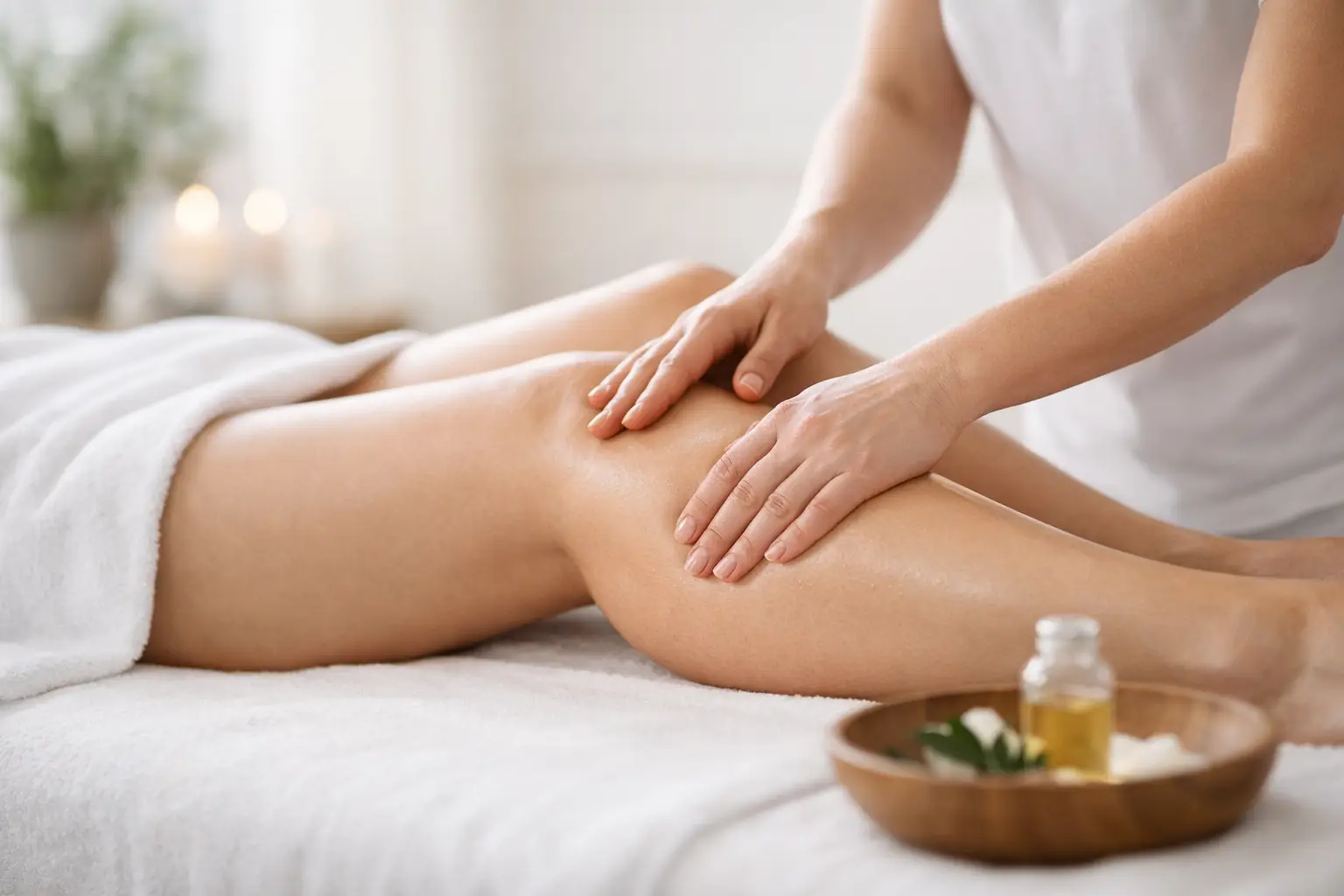
When the focus is on reducing swelling, lymphatic drainage usually comes first. It's designed to stimulate the lymphatic system, promoting the flow of fluids and metabolic waste. Practically, clients notice less heaviness, reduced edema, and often more defined body contours after just a few sessions.
However, it's important to note: not all lymphatic drainage is the same. There are gentler approaches, more rhythmic ones, and protocols with very specific objectives. What works best for someone post-surgery, for instance, isn't necessarily the best choice for someone looking to reduce swelling before an event or relieve facial puffiness in the morning.
Full Body Lymphatic Drainage
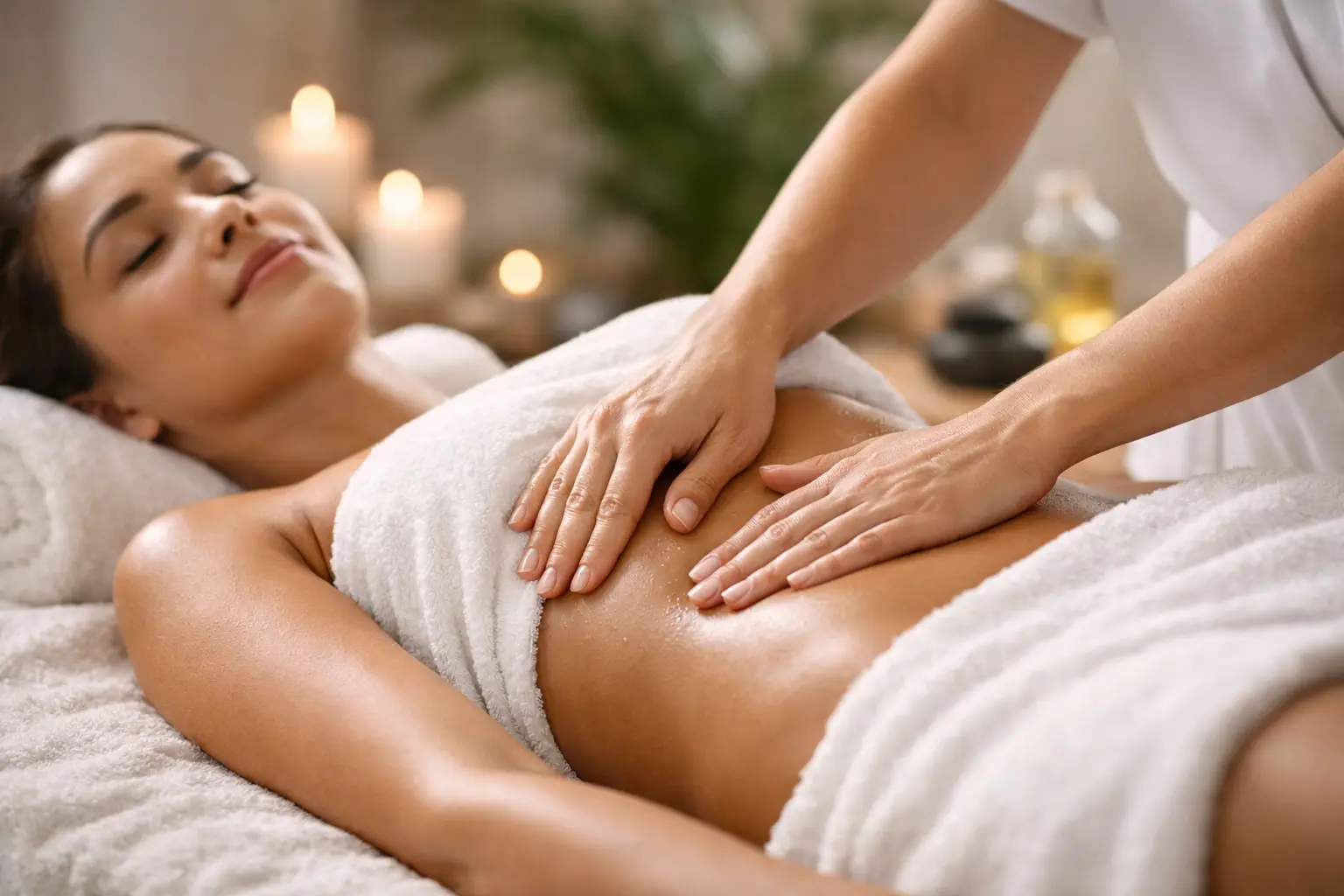
Full body lymphatic drainage is primarily recommended for those feeling swollen in their legs, abdomen, arms, or the whole body. It uses directed maneuvers, based on anatomical logic, to stimulate lymphatic circulation. This technique is highly sought after by those who spend many hours sitting, stand for long periods, experience premenstrual retention, or notice weekly swelling fluctuations.
When well-executed, it offers more than just a pleasant sensation during the session. The aim is to promote a visible and functional response, reducing edema and improving body perception. For some, the effect is noticeable the same day; for others, the best results come with regularity.
Lymphatic Drainage with Renata França Method
Among the best massages for reducing swelling, the Renata França Method stands out for combining the right pressure, a more dynamic rhythm, and a technical sequence known for delivering more perceivable visual effects. Many clients seek this protocol for the blend of lightness and a more defined contour.
This method is often a great choice for those looking for evident body swelling reduction, especially in the abdomen, legs, and waist. Still, caution is needed: a famous method doesn't replace individual evaluation. Intensity and touch type may need to be adapted to the client's sensitivity, clinical history, and session objectives.
Miracle Face and Facial Drainage
When swelling appears more in the face than the body, the choice changes. Facial drainage and protocols like Miracle Face are recommended to reduce the tired appearance, enhance facial contours, and soften edema signs upon waking or during retention periods.
Such treatments are frequently sought before events, photoshoots, and important commitments but also work well as regular care. The benefit isn't solely aesthetic. Many report a lighter, less tense face feeling and a more rested look. For frequent facial swelling, the right technique makes more difference than increased touch strength.
When massage for reducing swelling works best
Massages don't work in isolation in all contexts. They tend to work better when swelling is linked to fluid retention, routine, hormonal variations, correctly monitored post-surgery, or circulatory and lymphatic slowdown. In these scenarios, technical care can provide real and visible relief.
On the other hand, there are situations where edema may have a medical origin and requires investigation before any aesthetic protocol. Persistent, asymmetric swelling, with pain, localized heat, or combined with other symptoms, warrants health evaluation. Responsible care also involves recognizing limits and contraindications.
Menstrual Period and Hormonal Retention
Many women notice increased swelling a few days before their period. The abdomen feels more bloated, legs heavier, and the face may appear puffier in the morning. In this phase, drainage is often an important ally, helping alleviate discomfort and enhance lightness.
This doesn't mean the body will stop responding to hormones, but the right technique can significantly reduce this period's visual and functional impact. For those who experience this pattern every month, regular treatments usually bring more results than waiting until discomfort is high.
Post-Surgery
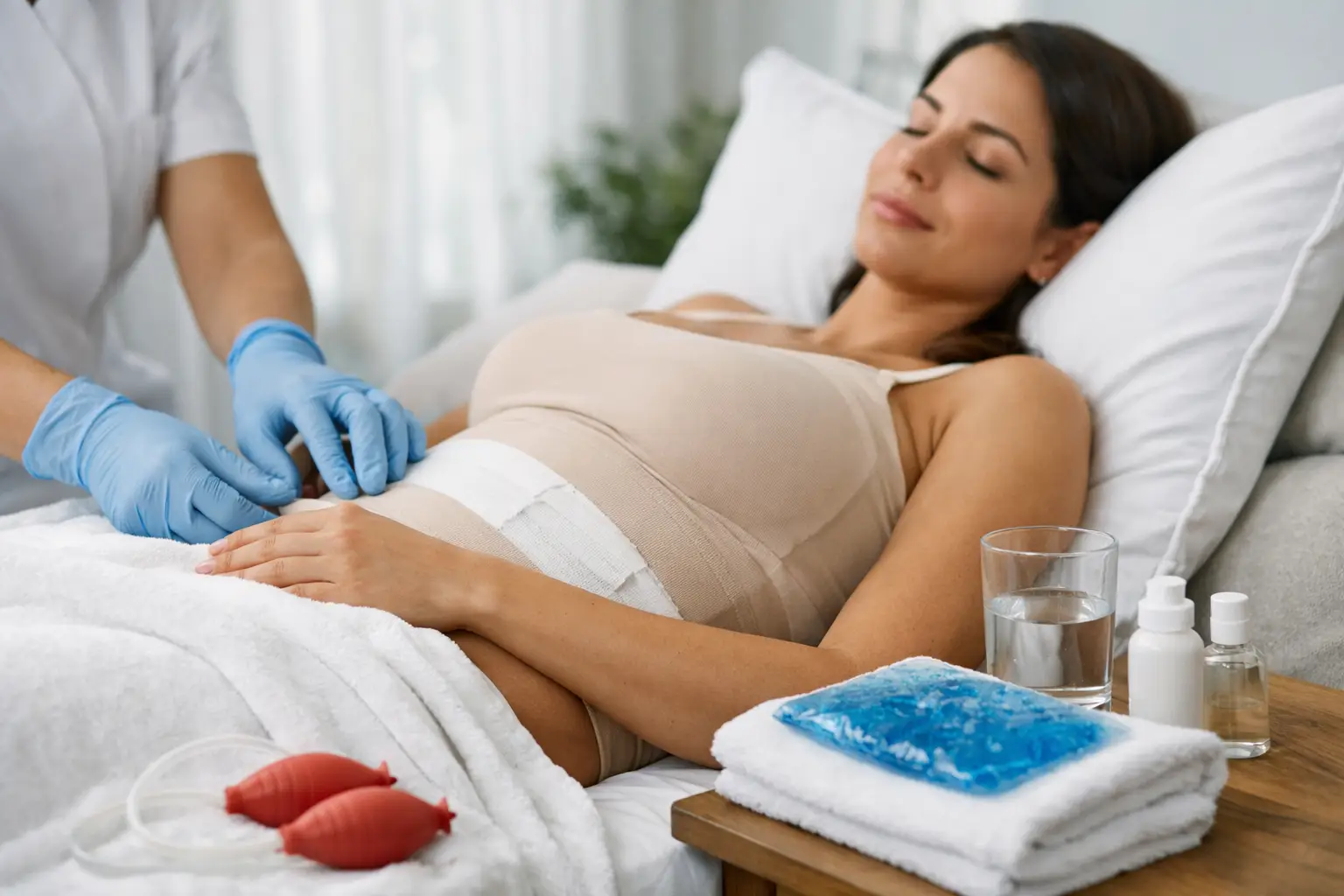
In post-operative contexts, reducing swelling requires even more criteria. Post-surgical drainage has specific indications, correct timing, and maneuvers adapted to the recovery stage. It's not just a regular drainage done on someone who's undergone surgery.
This is one context where specialization is crucial. The goal is not just aesthetic comfort but supporting the recovery process, improving edema, and caring for healing tissue. Pressure, frequency, and session evolution must respect medical clearance and bodily response.
How to choose the right technique for your case
The best massage to reduce swelling depends on where the edema is, the probable cause, and your expected results. If the main issue is in the body, particularly legs and abdomen, body drainage typically is the logical path. If the issue is facial, facial drainage or Miracle Face tend to give a more suitable response.
If there's recent surgery, priorities change completely, and the care must be post-operative, not generic aesthetic. And if a client seeks deep relaxation, it's worth aligning expectations, as a relaxing massage can be great for tension and stress but may not always provide the same swelling reduction effect as specialized drainage.
Why a massage truly reduces swelling
There's a common belief that the stronger the massage, the better the outcome. In practice, that's not necessarily true. For swelling reduction, technique is more important than force. The lymphatic system responds to specific stimuli made in the right direction and with anatomical knowledge. Excessive pressure can cause unnecessary discomfort and, in some cases, not help with edema at all.
Another crucial factor is personalization. A client with mild retention due to a sedentary routine doesn't need the same approach as a post-surgery patient. When the protocol is adjusted to the actual condition, results are typically safer and more consistent.
Enhancing results post-session
The effects of massage are usually better perceived when accompanied by an appropriate routine. Proper hydration, anti-inflammatory diet, reduced sodium intake, and daily movement help significantly. You don't need to become an athlete to maintain reduced swelling, but your body responds better when it doesn't stay stagnant for long periods.
It also helps to understand your own pattern. Some swell more on hot days, during travel, in stressful weeks, or near the menstrual cycle. Knowing these triggers helps schedule sessions strategically.
Common mistakes when seeking massages to reduce swelling
The most common mistake is choosing based solely on the procedure's name without considering the practitioner's qualifications. Lymphatic drainage, post-operative drainage, and facial techniques require real knowledge, not just promises of quick results. Another frequent mistake is expecting a single session to resolve an issue that's persisted for months.
There’s also the frustration of comparing results across different individuals. Retention levels, the body's sensitivity, daily routine, and even hormonal timing significantly affect the response. A good massage doesn't promise miracles. It relies on technique, consistency, and appropriate indication.
In a specialized service like Patricia Silva's, care starts before the first maneuver, with listening, evaluation, and defining the most suitable protocol for the client's objectives.
Is it worth getting a massage to reduce swelling?
For those dealing with retention, heaviness, facial edema, or correctly monitored post-surgical recovery, it is worthwhile. The key is not to seek just any massage, but the right approach for the right issue. When there's technique, experience, and proper indication, the results are visible not only in the mirror but also in the comfort felt throughout the day.
If you're aiming to feel lighter with less swelling and more confidence in your own body, choosing the right session is often the first— and most crucial—step.