Some days, our bodies wake up differently: pants fit tighter, your face looks puffier, rings become uncomfortable, and you feel heaviness in your legs. When this happens often, the question is the same: how can I safely and effectively reduce fluid retention? The answer involves understanding the swelling's cause, adjusting daily habits, and often seeking professional care to help your body respond better.
What is fluid retention?
Fluid retention occurs when fluids build up in tissues, causing swelling in areas like legs, feet, abdomen, hands, and face. While it doesn't always signal a serious issue, it often indicates your body needs more balance.
This condition can arise due to various reasons. Sitting or standing for long periods, consuming excess sodium, drinking little water, experiencing hormonal changes, hot days, and stress can all contribute to edema. Post-surgery, some swelling is expected but requires proper monitoring for comfort and recovery.
How to reduce fluid retention daily
The most effective way to reduce swelling is rarely in a single solution. Best results arise when small care steps accumulate and become part of the routine.
Stay consistently hydrated
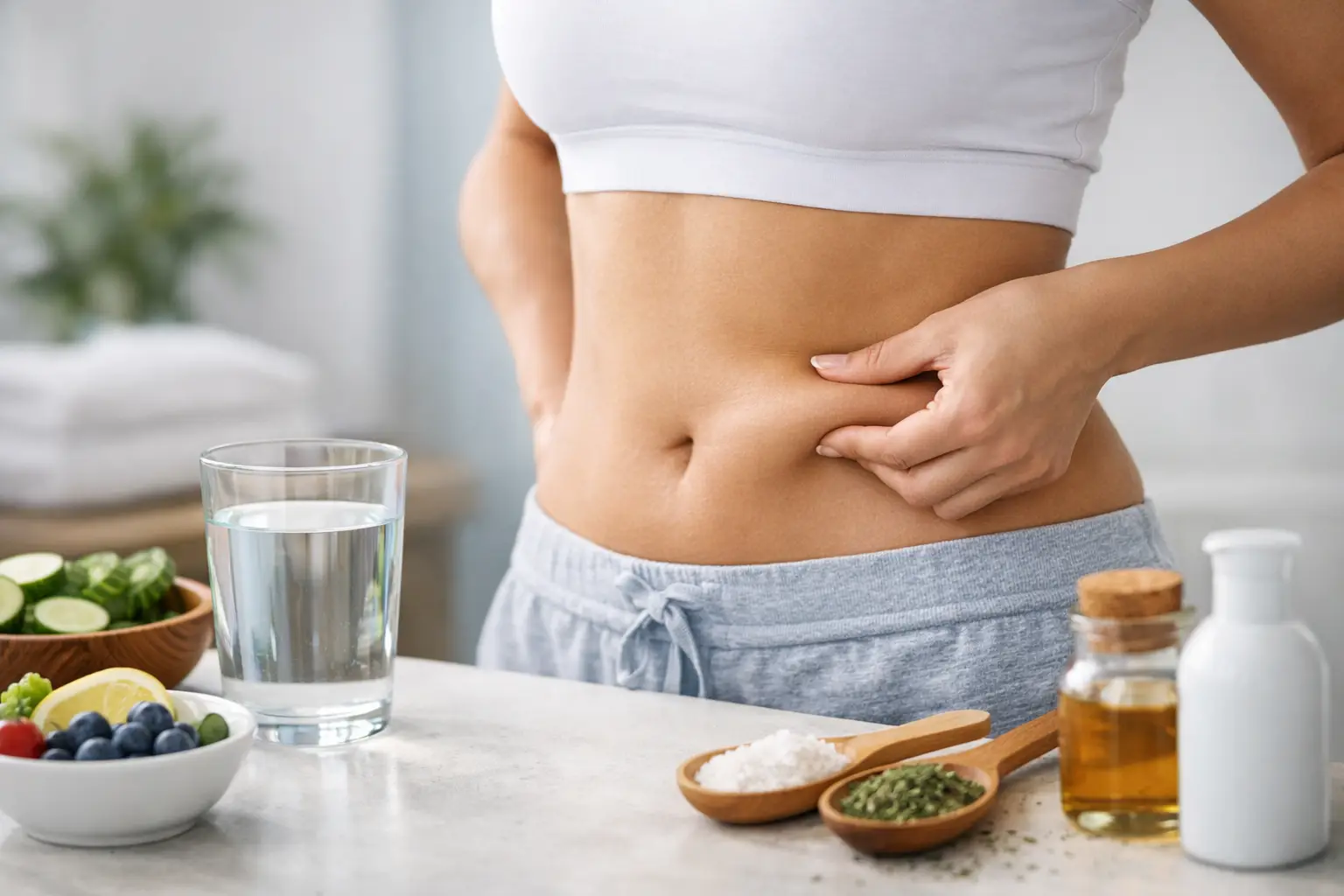
It seems counterintuitive, but drinking too little water can worsen retention. When the body perceives a lack of fluids, it tends to hold onto more. Thus, maintaining regular hydration throughout the day aids bodily functions and helps eliminate excess fluid.
No need to overdo it. Ideally, spread your water intake across morning, afternoon, and evening, considering thirst, weather, routine, and medical advice for specific health conditions.
Cut down on sodium
A common mistake is thinking the problem is only with salt added to food. In reality, much of our sodium comes from processed foods, ready-made seasonings, cured meats, frozen meals, and fast foods. Even foods that don't taste salty can have high sodium content.
If you're trying to understand how to reduce fluid retention effectively, making this adjustment can have a real impact. Eating more naturally, with simple preparations and fewer ultra-processed items, usually helps significantly within days.
Move your body throughout the day
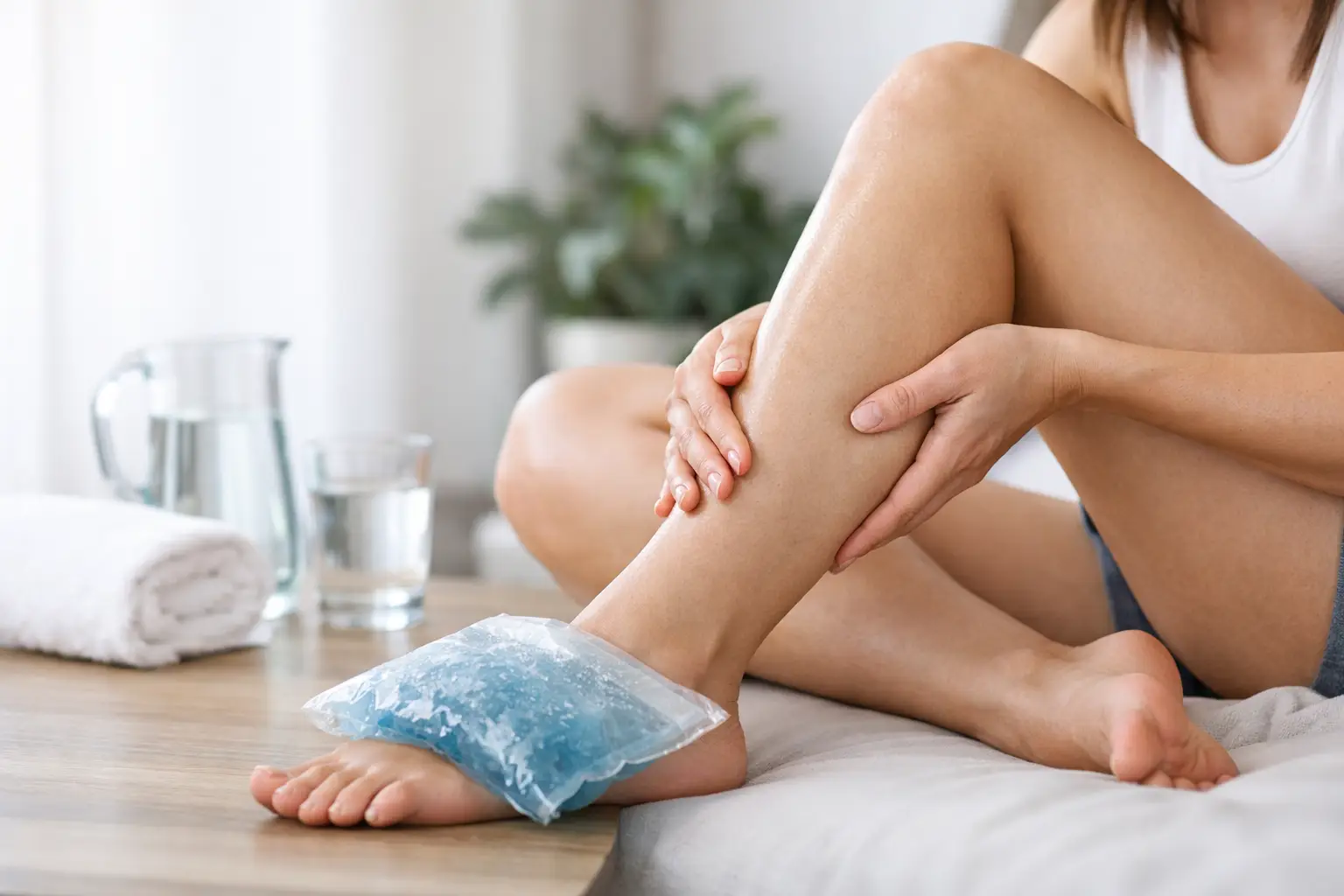
Circulation suffers when routines become too stationary. Spending many hours in the same position can increase swelling, especially in legs and feet. This is common for those working seated, driving a lot, or standing long.
Walks, stretching, and short movement breaks can help. An intense workout isn't necessary to make a difference. Often, consistency matters more than intensity.
Be mindful of tight clothing and compressive habits
Tight clothes, long periods in high heels, and even daily posture can influence feelings of heaviness and swelling. Though not sole causes, they can worsen existing conditions.
If you notice frequent retention, observe when it worsens. Sometimes, the body reacts poorly to a mix of heat, minimal movement, and excessive compression.
When swelling relates to hormones
Many women notice fluid retention before their menstrual period, during hormonal fluctuations, or after restless nights. The abdomen may feel bloated, the body sensitive, and the heaviness increases.
In these cases, swelling can vary significantly from month to month. Diet, sleep, stress, and inactivity all influence this. Hence, care must be personalized. Not every strategy works the same for everyone.
Does lymphatic drainage really help?
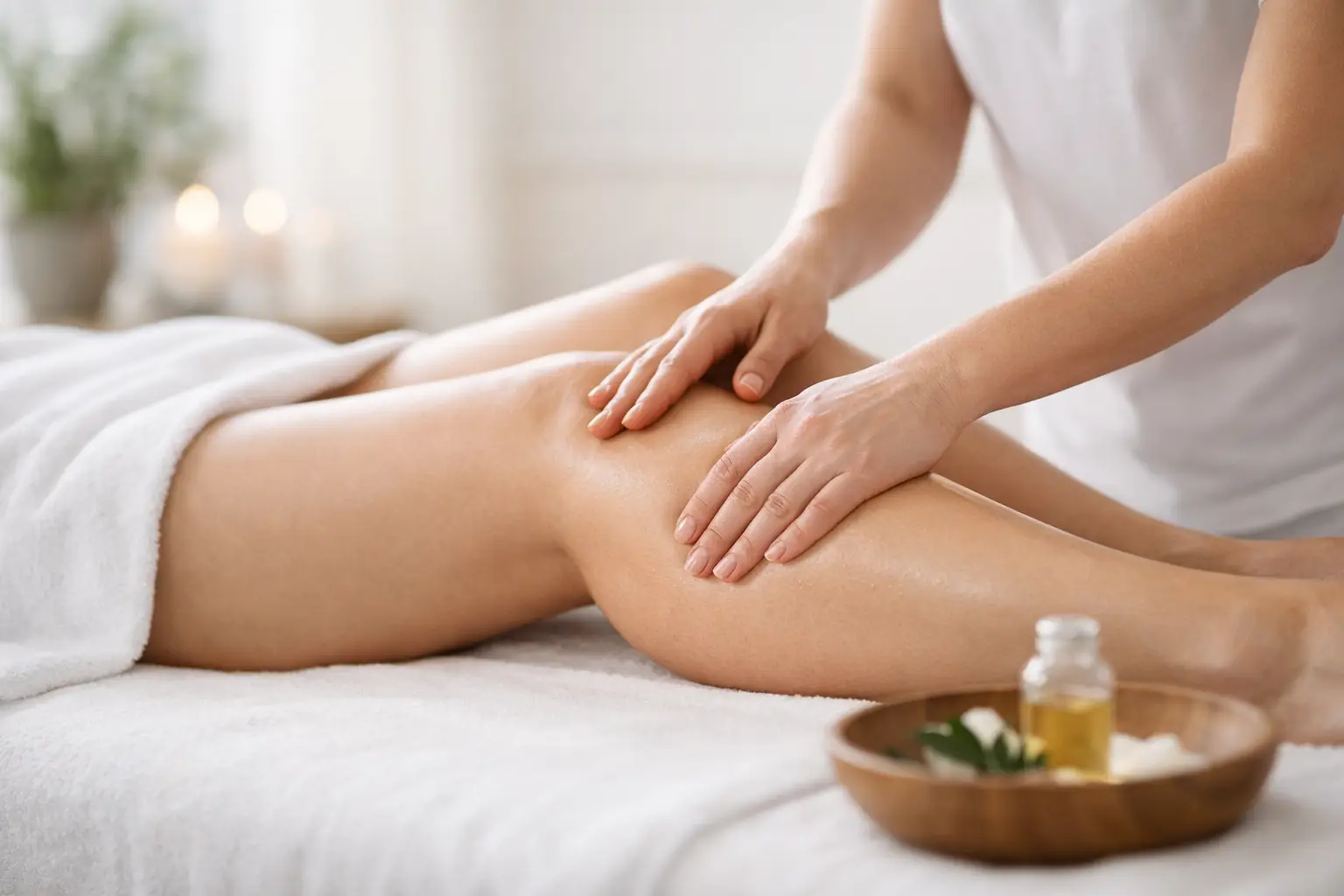
Yes, when properly recommended and performed with the right technique, lymphatic drainage can be a vital ally in reducing edema and enhancing lightness. It stimulates the lymphatic system, helping direct and eliminate excess fluids from tissues.
In practice, many clients notice improvement in swelling, body contour, and comfort as early as initial sessions. This occurs because drainage targets a central issue: fluid buildup and drainage difficulties.
However, one crucial detail cannot be overlooked. Not all swelling should be treated the same way. Professional evaluation is key to understanding whether drainage is recommended, how often, and when it will be most beneficial.
The role of drainage in post-operative care
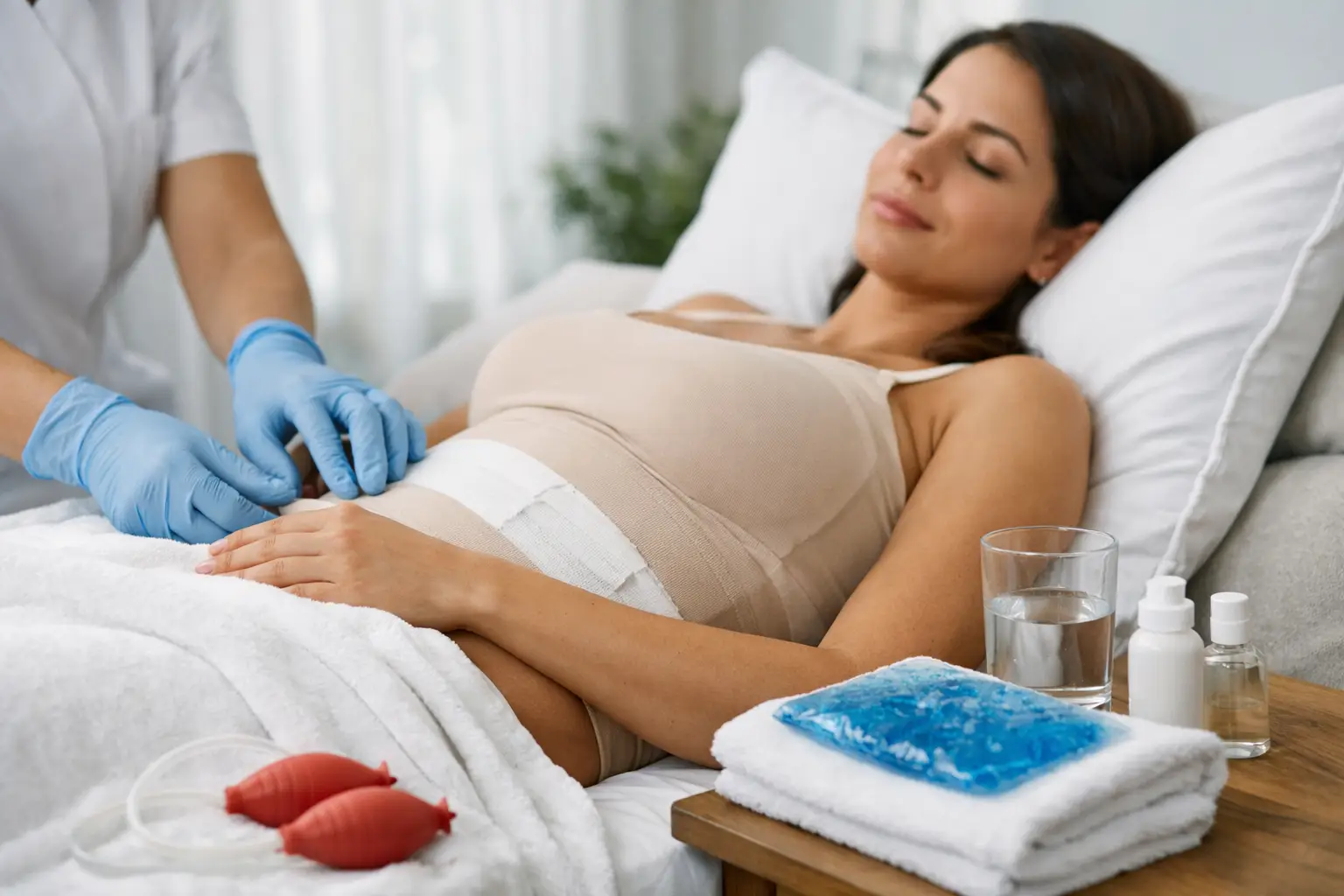
Post-surgery, the body undergoes a natural inflammatory recovery process. Swelling is part of this, but must be carefully monitored. Post-operative lymphatic drainage, when done at the right time by a trained professional, can help reduce swelling, increase comfort, and support tissue recovery.
In this context, improvisation doesn't align with results. Post-operative care requires technique, sensitivity, and a correct reading of each recovery phase. Incorrect pressure, timing, or generic methods can hinder rather than help.
Thus, anyone who has undergone surgery should seek specialized care. This is a functional concern, not just aesthetic.
How to reduce facial swelling
Puffy faces can be bothersome as they alter appearance early in the day and signal tiredness. This edema may relate to poor sleep, salty diets, hormonal changes, stress, and general body fluid retention.
Here, besides hydration and routine adjustment, specific facial protocols can promote depuffing and enhance facial contour. Techniques focusing on facial drainage help alleviate the heavy look and restore definition when well-executed.
This care is sought by those wanting visible results without additional invasive procedures. It makes sense: as facial swelling decreases, the change is typically noticed quickly.
What to avoid when aiming to depuff
In a rush to improve, many turn to excessive teas, restrictive diets, or unverified home remedies. The problem is not everything natural is automatically safe. Depending on circumstances, this may mask symptoms, cause discomfort, or even dehydrate.
Avoid expecting permanent results from just one session or measure. Sometimes, swelling improves rapidly; other times, it's tied to habitual patterns, hormonal phases, or health conditions needing investigation.
If fluid retention is severe, persistent, or accompanied by pain, shortness of breath, redness, or significant change in just one side, medical evaluation must take priority.
When to seek professional help
If swelling is frequent, disrupts daily life, or worsens in specific periods, seeking professional advice can greatly shorten the path to recovery. Proper assessment helps distinguish between common retention and what needs focused attention.
In aesthetic and functional contexts, individualized attention helps understand your edema pattern, habits, and the most suitable protocol for you. This is essential for those seeking safe, visible results without wasting time on random attempts.
In serious work, there are no generic promises. There's technique, body awareness, and consistency. For many clients, this care impacts not only appearance but also well-being, lightness, and comfort throughout their days.
What truly makes a difference in results
When asked how to reduce fluid retention, people usually hope for a straightforward answer. But a more helpful truth is this: the best results come from combining a balanced routine with the right strategy for your body.
This can mean drinking more water, evaluating sodium intake, moving better, ensuring quality sleep, and incorporating lymphatic drainage when indicated. In post-operative scenarios, it might also involve following the correct protocol with technical support. In lighter, aesthetic contexts, it may be the needed step to deflate faster and see your body respond better.
If you live with a sense of swelling, don't treat it as something to merely tolerate. Often, bodies significantly improve with the right stimulus at the right time. This care, beyond aesthetics, can restore a lightness that makes a difference in both the mirror and daily life.