Have you ever woken up feeling heavier, with a swollen face and clothes fitting differently, despite no major weight change? This is when many people wonder what lymphatic drainage is for, trying to understand whether it's just aesthetic or also promotes wellness and recovery.
In short, lymphatic drainage helps stimulate the lymphatic system to eliminate retained fluids, reduce edema, and improve body lightness. But it doesn't stop there. When properly indicated and performed with technique, it can also assist in body contouring, facial de-swelling, and delicate phases such as post-surgery recovery.
Lymphatic drainage: practical uses
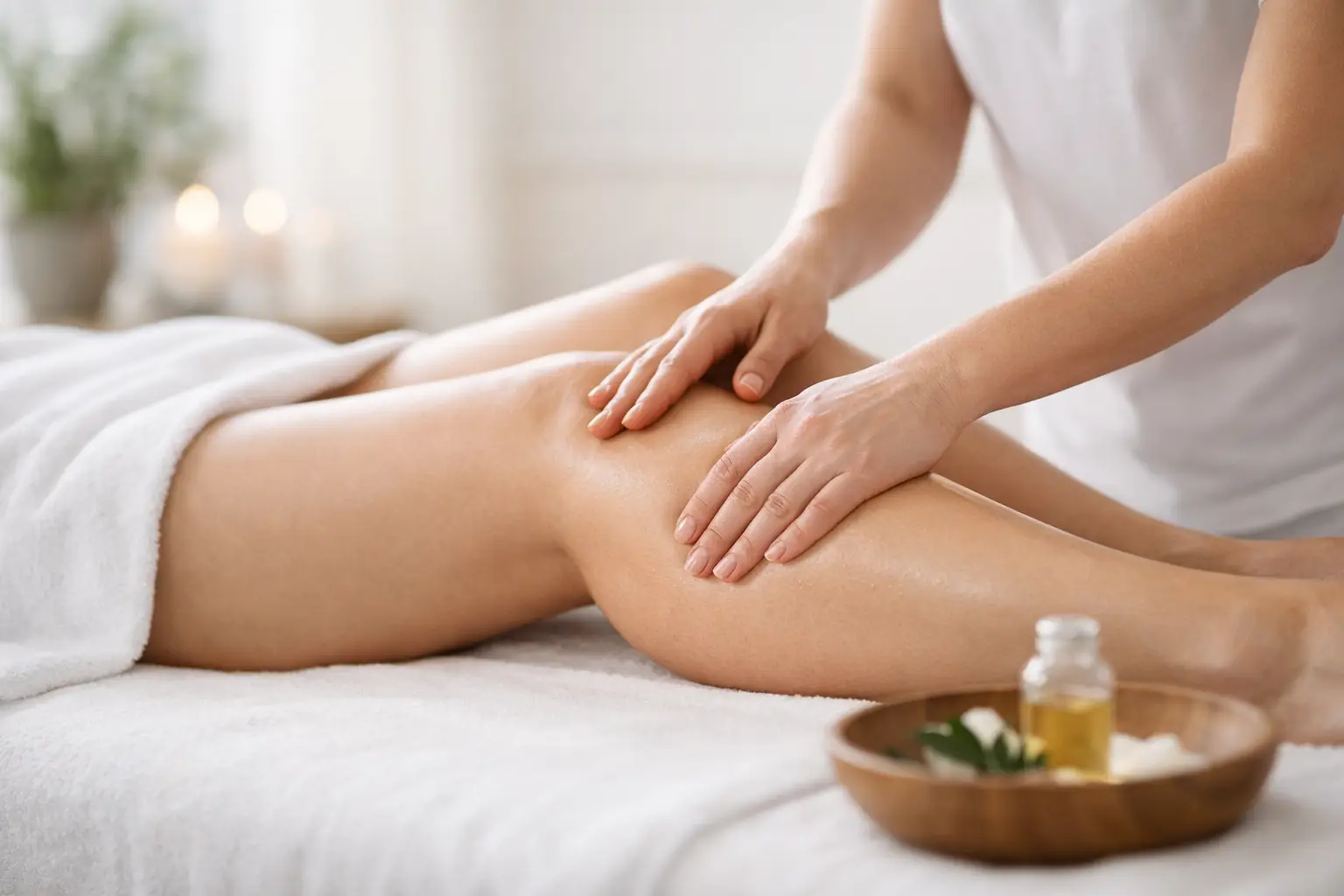
In practice, lymphatic drainage is a massage technique with specific maneuvers aimed at stimulating lymph circulation. Lymph is a fluid circulating in the body, involved in removing metabolic waste, and crucial in fluid balance within tissues.
When this flow slows down, retention, heaviness, edema, and swelling appear. Lymphatic drainage helps this system work more efficiently, thus popular among those seeking to de-swell, improve skin appearance, and feel lighter.
However, goals vary. Some prioritize immediate aesthetic results; others focus on recovery support, like post-surgery. This point is crucial as the indication and intensity of the technique depend on each client's condition.
Main benefits of lymphatic drainage
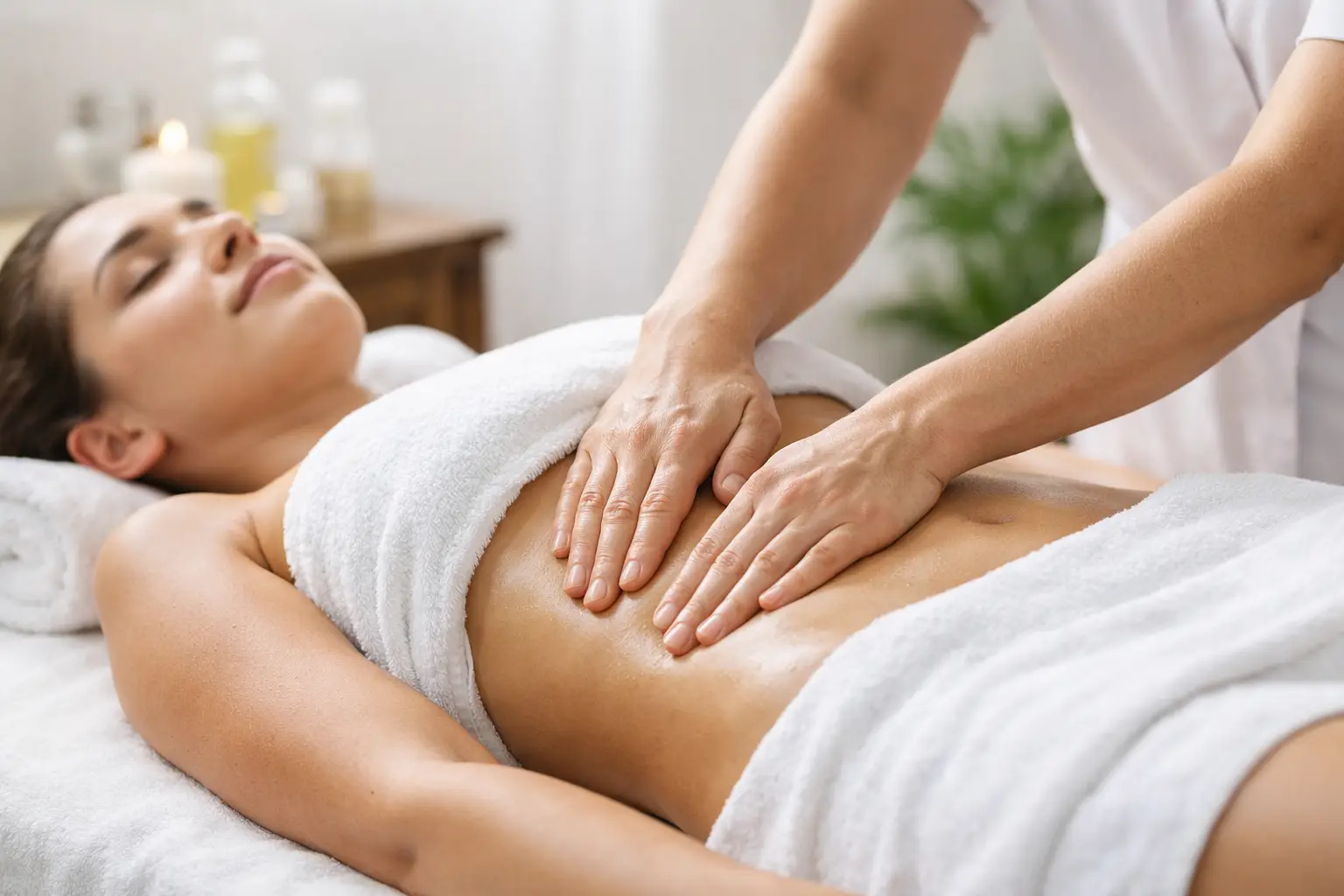
The most renowned benefit is swelling reduction, affecting legs, abdomen, arms, and also the face. Many notice improvements in the first sessions, especially when retention is linked to factors like a sedentary lifestyle, hormonal changes, high sodium intake, long trips, or stress periods.
Another valued effect is body contour improvement. Lymphatic drainage doesn't cause weight loss, something that must be clearly stated. It reduces accumulated fluids, making the body appear more defined and less bloated. For those with significant retention, this visual difference can be noticeable.
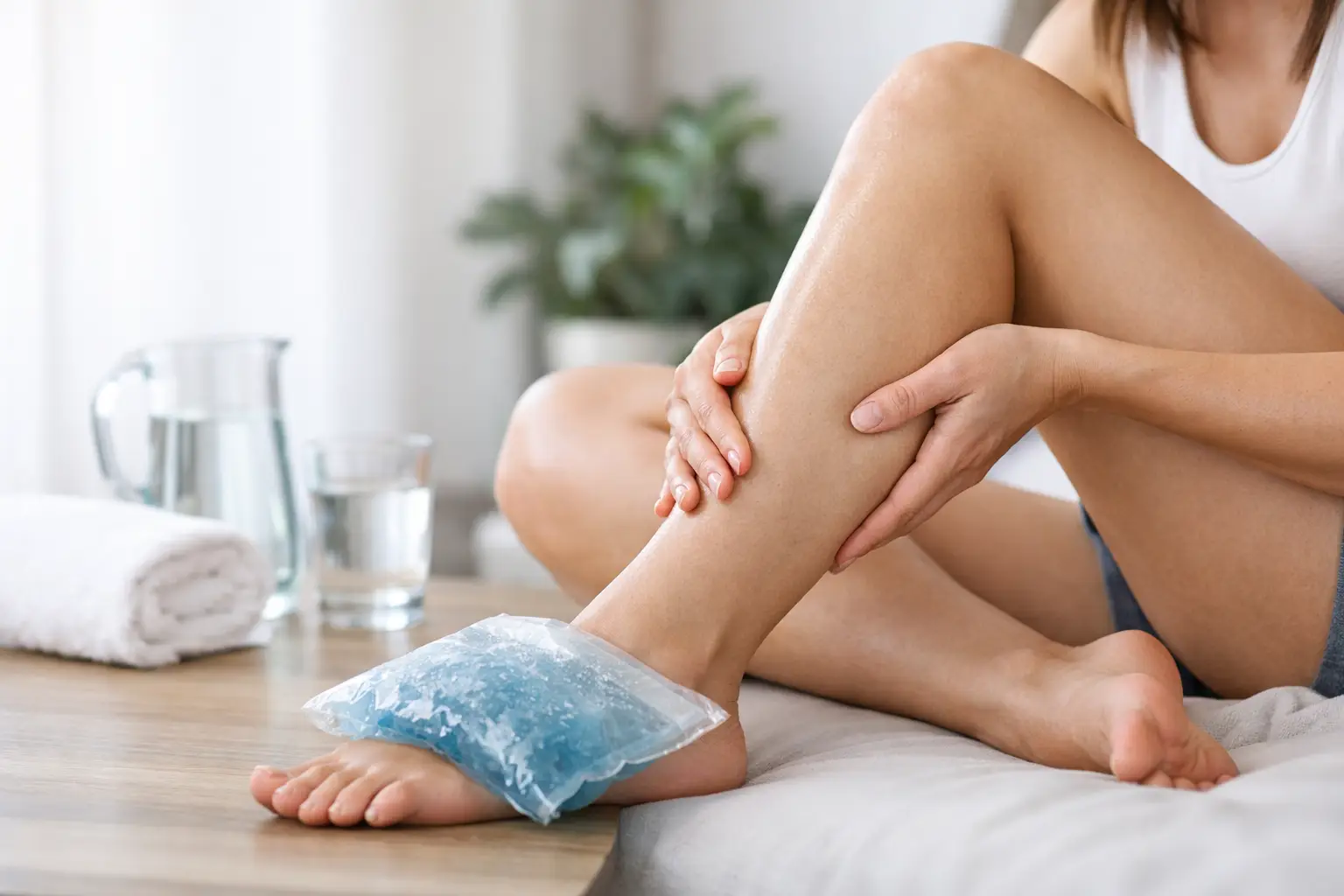
There's also comfort improvement. Tired legs, heaviness feeling, and discomfort in edematous areas tend to improve with the right lymph stimulation. Often, this results in a lighter routine and an increased sense of well-being.
On the face, drainage is sought to reduce swelling, especially around the eyes, cheeks, and jawline. The face gains a more rested and defined look, explaining the growing interest in facial protocols.
When is lymphatic drainage recommended?
Lymphatic drainage suits various situations. A common one is fluid retention, where individuals frequently feel bloated. It’s often chosen by those seeking continuous aesthetic care, focusing on maintaining body contour and de-swelling.
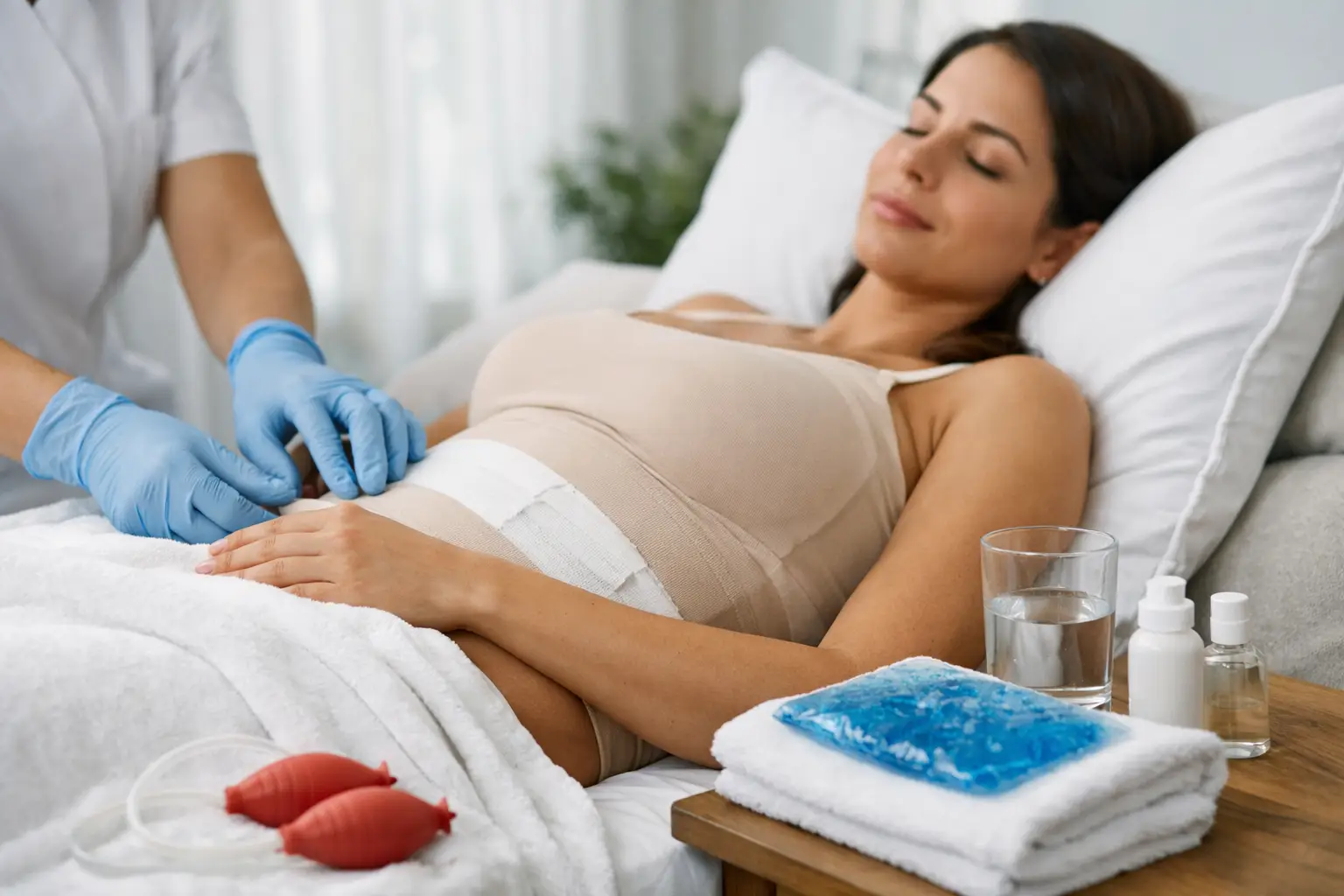
Post-surgery indication is another reason, provided it's timely and professionally assessed. In this phase, the technique helps control edema, enhances local circulation, and may aid organized tissue recovery. Since each surgery and body responds differently, no one-size-fits-all formula exists. Individual follow-up is essential.
Pregnant women, postpartum women, and individuals with mild circulatory changes also frequently seek this technique, but assessment is vital. Not all bloating is the same, and not everyone can undergo the same protocol.
Does lymphatic drainage help with weight loss?
This is a common question at the clinic. The answer is no. Lymphatic drainage doesn’t burn fat and doesn’t replace balanced diet, exercise, or health monitoring.
What it does is reduce water retention and improve the appearance of swollen areas, giving the impression of smaller measurements and a more sculpted body. Indeed, many clients feel lighter after sessions, but it doesn’t mean fat loss.
Being clear about this is vital to align expectations. Lymphatic drainage excels at de-swelling and highlighting contours, but results depend on each individual's goal. Understanding exactly what the treatment delivers usually leads to a better experience.
Why lymphatic drainage is sought after post-surgery
Post-surgery, the body undergoes inflammatory response and liquid retention phases. Edema, sensitivity, and hardened areas can be part of this process, making post-operative lymphatic drainage increasingly valued.
When performed at the right time and by a trained professional, it helps redirect fluids, reduce swelling, and support tissue recovery. In many cases, it impacts not just comfort but also the visual progression of surgical results.
Here, caution is paramount. It’s not a standard aesthetic session. Maneuver intensity, frequency, and areas must adhere to the surgery, healing stage, and medical guidance. Technique without clinical sensitivity can do more harm than good.
Does the method influence results?
Yes, significantly. Lymphatic drainage isn’t a generic procedure where any touch yields the same effect. Technique, pressure, pace, and maneuver direction directly influence bodily response.
Well-recognized methods in the Brazilian aesthetic market gained traction by combining standardization, body reading, and focus on visible results. Modern protocols aim not just at soft movements but efficient drainage, respecting each client's anatomy and needs.
This is why many seek out professionals with specific training and practical experience. In a body or facial treatment, the difference between a regular session and a well-executed one often shows in the mirror and physical sensation.
Who shouldn’t undergo lymphatic drainage without evaluation
Though very safe when correctly indicated, drainage isn’t automatically safe for everyone. Cases of acute infection, fever, thrombosis, uncompensated heart failure, and some renal or circulatory conditions require caution and often contraindicate the treatment at that time.
Additionally, sudden or persistent swelling shouldn't be merely treated as aesthetic. It may signal an issue needing medical investigation. This is crucial in responsible care: knowing when drainage helps and when priority shifts to health evaluation.
How many sessions are needed?
It depends on the goal. For punctual de-swelling, one session might make a noticeable difference, common before events, photoshoots, or when the body retains more.
For aesthetic maintenance or ongoing care, frequency depends on the routine, retention level, and individual response. In post-surgery, session plans follow other logic, based on surgery type and edema progression.
The honest stance is that no magic number exists. Some clients respond well from the start, others need consistency to better perceive outcomes. Diet, hydration, sleep, hormonal cycle, and sedentary lifestyle greatly influence.
What to expect from a well-conducted session
A good lymphatic drainage session typically leaves you feeling light, well, and less swollen. Clothes might fit better, and the silhouette can appear cleaner. The face seems less tired and more defined.
During treatment, the client should feel safe and welcomed. This not only involves technique but also listening. Understanding each person's goal, history, and current moment is part of the result. In specialized care, protocols aren’t automatic—they’re adjusted to real needs.
In Brasília, especially for local support focused on aesthetic and post-surgery drainage, working with an experienced professional makes a difference. It’s this blend of technical knowledge and personalized care that ensures consistent results, as seen in the work by Patricia Silva.
If you were wondering what lymphatic drainage is for, this is the comprehensive answer: it helps de-swell, relieve discomforts related to retention, enhance body and facial contours, and support specific moments like post-surgery when correctly indicated. The best results don’t stem from exaggerated promises but from well-executed treatment, at the right time, for the right need. When this care occurs, the body responds—you see it in the mirror and feel it in your routine.